TechNews

Windows 11 will leave millions of PCs behind, and Microsoft is struggling to explain why
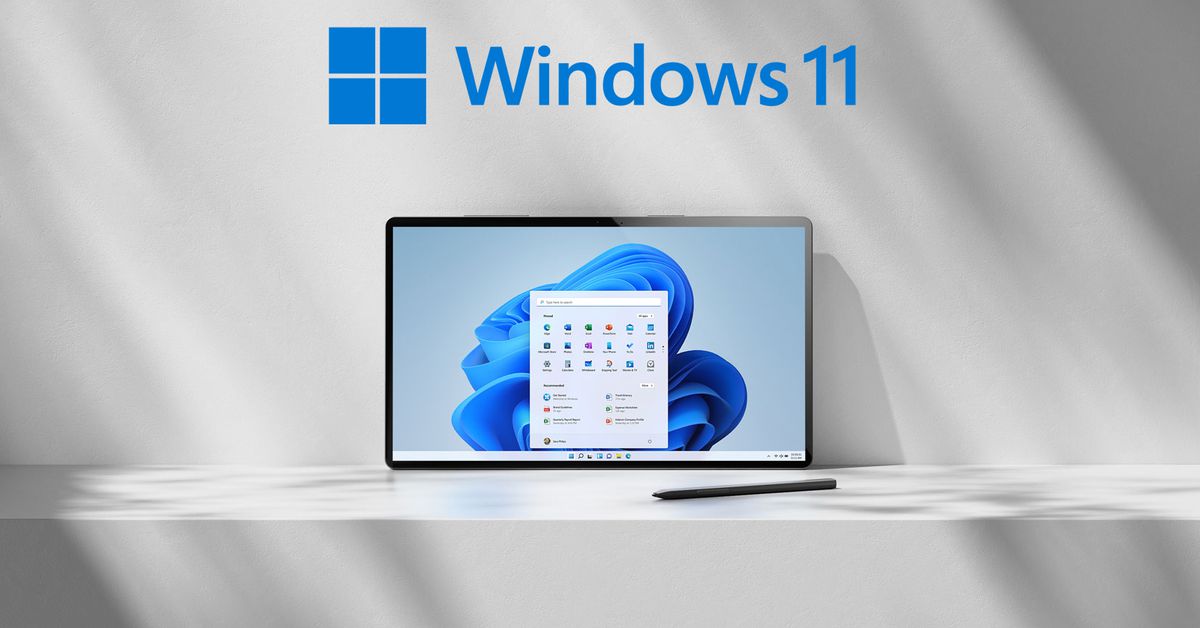
Microsoft has had six years to prepare for the launch of Windows 11, but the company is still struggling to explain its new hardware requirements. Windows 11 will officially support Intel 8th Gen Coffee Lake or Zen 2 CPUs and up, leaving behind millions of PCs that were sold during the launch of Windows 10.
It’s an unusual surprise if you purchased a new PC for Windows 10, or perhaps you have a perfectly capable machine that’s even older. Windows 11 will require Intel 8th Gen Coffee Lake or Zen 2 CPUs and up, TPM 2.0 (Trusted Platform Module) support, 4GB of RAM, and 64GB of storage.
Microsoft doesn’t typically enforce such specific processor requirements with Windows — with both Windows 8 and Windows 10 only requiring a 1GHz processor, 1GB of RAM (2GB for 64-bit), and 16GB of storage (20GB for 64-bit). Power users of Windows, and IT admins alike, have built up an expectation of being able to upgrade to the latest OS, regardless of what hardware they’re running. It looks like that’s about to end with Windows 11.
After much confusion last week, Microsoft attempted to explain its hardware requirements again yesterday, and it sounds like the main driver behind these changes is security. Coupled with Microsoft’s hardware requirements is a push to enable a more modern BIOS (UEFI) that supports features like Secure Boot and TPM 2.0 (Trusted Platform Module).
When you combine TPM with some of the virtualization technologies that Microsoft uses in Windows, there’s an understandable security benefit that we’ve discussed in detail previously. Microsoft claims that a combination of Windows Hello, Device Encryption, virtualization-based security, hypervisor-protected code integrity (HVCI), and Secure Boot “has been shown to reduce malware by 60 percent.”
You obviously need modern hardware to enable all these protections, and Microsoft has been building toward this moment for years. TPM support has been a requirement for OEMs to gain Windows certification since around the release of Windows 10, but Microsoft hasn’t forced businesses or consumers to enable it.
Microsoft’s decision to force Windows 11 users into TPM, Secure Boot, and more comes at a pivotal moment for Windows. It’s Microsoft’s operating system that’s always caught up in ransomware and malware attacks, and things are only going to get worse if the level of Windows hardware security doesn’t go up a notch.
That delicate balance of security and the typical openness of Windows is something that Microsoft will struggle with over the next decade, as it wrestles with modernizing Windows and the understandable backlash. While Microsoft is waiving its new hardware requirements during the preview phase of Windows 11, we still don’t know exactly what devices will be supported when it launches later this year.
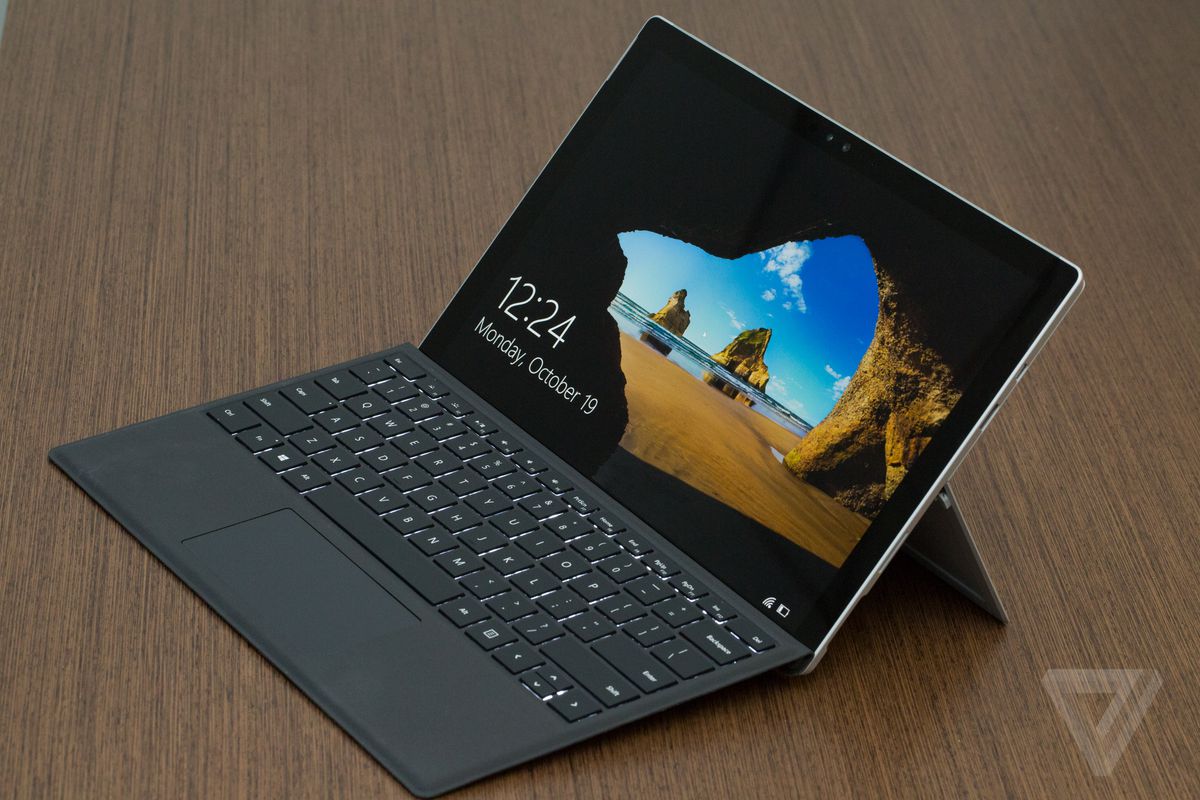
Microsoft tried to offer some more clarity around this yesterday, but it wasn’t the level of detail we were hoping for. “As we release to Windows Insiders and partner with our OEMs, we will test to identify devices running on Intel 7th generation and AMD Zen 1 that may meet our principles,” says a blog post from the Windows team. That could be good news for the Surface Studio 2, a $3,499 device that Microsoft still sells with a 7th Gen chip that’s not on the Windows 11 list.
This same blog post also revealed that 7th Gen is probably as far back as Microsoft is willing to concede. “We also know that devices running on Intel 6th generation and AMD pre-Zen will not” meet Microsoft’s minimum system requirements, said the blog post before it was edited to remove this line. It’s not clear why Intel’s 6th Gen chips are definitely off the list, but part of this decision could be related to Spectre and Meltdown — two major computer processor security bugs that affected nearly every device made for 20 years.
“Microsoft’s CPU selections for Windows 11 don’t appear much at all to do with performance but look like security mitigations for side-channel attacks,” says Patrick Moorhead, principal analyst at Moor Insights and Strategy. “It also helps chipmakers focus driver work on the future, not the past.”
Side-channel attacks like Spectre and Meltdown were revealed just before Intel implemented hardware mitigations to protect against some speculative execution attacks in some 8th Gen chips in 2018. Not all of Intel’s 8th Gen chips include these hardware mitigations, though, but Microsoft has set a specific cutoff of 8th Gen and beyond. Microsoft hasn’t fully explained that decision, and the company is now telling people to wait and see if it’s able to include more older machines during its testing. Either way, there’s going to be a CPU cutoff that will affect millions of PCs.

Critics of Microsoft’s approach note that this move will generate unnecessary e-waste as consumers move to upgrade PCs that are more than capable of running Windows 11. The complexities of TPM and UEFI are also being debated by IT admins, particularly if devices aren’t set up to use these technologies yet.
Security expert Kevin Beaumont, who spent nearly a year working at Microsoft during the pandemic, has criticized the company over its Windows 11 hardware requirements. “In the middle of a pandemic when orgs are hurting, with a global chip shortage, Microsoft [is] trying to get people to replace things for security reasons that are questionable,” said Beaumont on Twitter. “Buy a Surface? No. Make a better OS.”
In the middle of a pandemic when orgs are hurting, with a global chip shortage, MS are trying to get people to replace things for security reasons that are questionable.
Buy a Surface? No. Make a better OS.
— Kevin Beaumont (@GossiTheDog) June 28, 2021
Microsoft’s hardware changes also arrive just weeks after Apple announced macOS Monterey, with support for Mac Pros sold in late 2013 and beyond, and Mac Minis sold from late 2014 onward. Apple obviously doesn’t have to support a massive range of hardware configurations like Microsoft does, but the latest version of macOS will still run on systems that are eight years old. Microsoft’s changes mean that some PCs that are only three years old will be excluded from the Windows 11 upgrade.
There will be some exceptions to Microsoft’s new rules, though. “Windows 11 does not apply the hardware-compliance check for virtualized instances either during setup or upgrade,” notes a Microsoft document (PDF) on minimum hardware requirements for Windows 11. That means if you run Windows 11 as a virtual machine, you can ignore the CPU and security requirements. That flies in the face of Microsoft’s big security push here, but the reality is that most consumers and commercial customers won’t be running Windows 11 in a VM.
Microsoft still has a few months left to test Windows 11, and feedback from the preview will inform “any adjustments [Microsoft] should make to our minimum system requirements in the future.” The software maker has also removed its PC Health Check app that led to a lot of confusion around Windows 11 upgrades. “We acknowledge that it was not fully prepared to share the level of detail or accuracy you expected from us on why a Windows 10 PC doesn’t meet upgrade requirements,” says the Windows team.
That gives Microsoft some breathing room between now and launch, and enough time for testers to play with Windows 11 free from these new restrictions. But if you’re testing Windows 11 right now on an older CPU that’s not on the official list, the chances are you’ll need to reinstall Windows 10 at the end of the preview period.
Microsoft is allowing testers to access Windows 11 on a wide range of hardware during the preview, but it’s planning to apply these new restrictions at launch. I would be surprised if there is a major change to these hardware requirements later this year, other than Microsoft stepping down to some 7th Gen chips. So enjoy testing Windows 11 while you still can.
Dell’s versatile UltraSharp 4K webcam uses AI to keep you in the frame
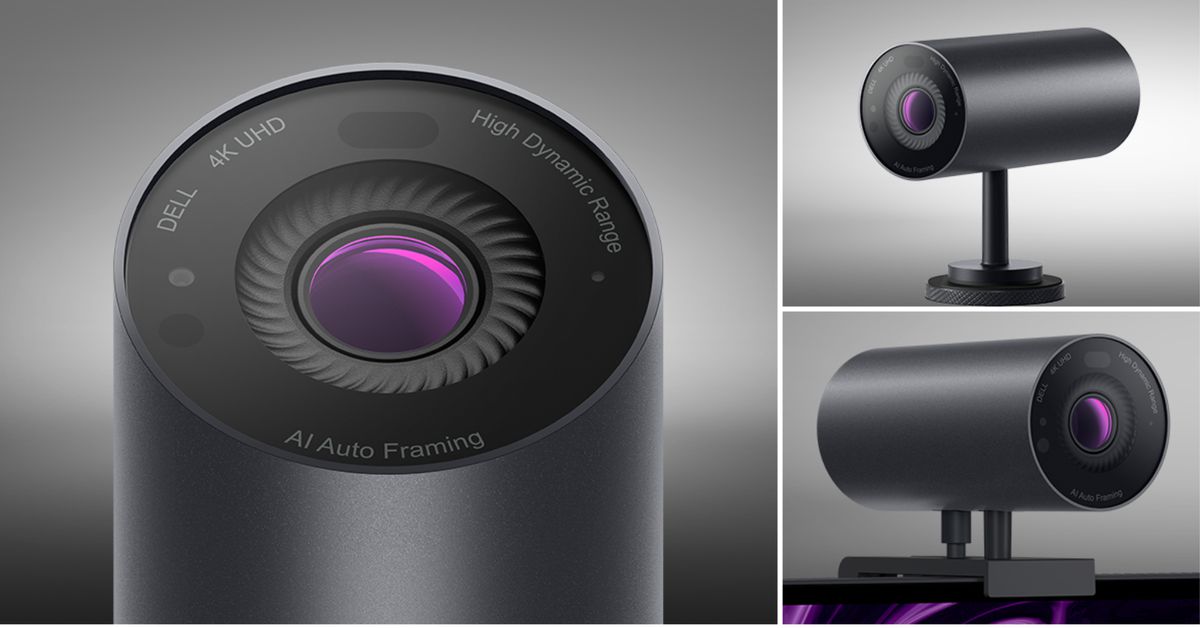
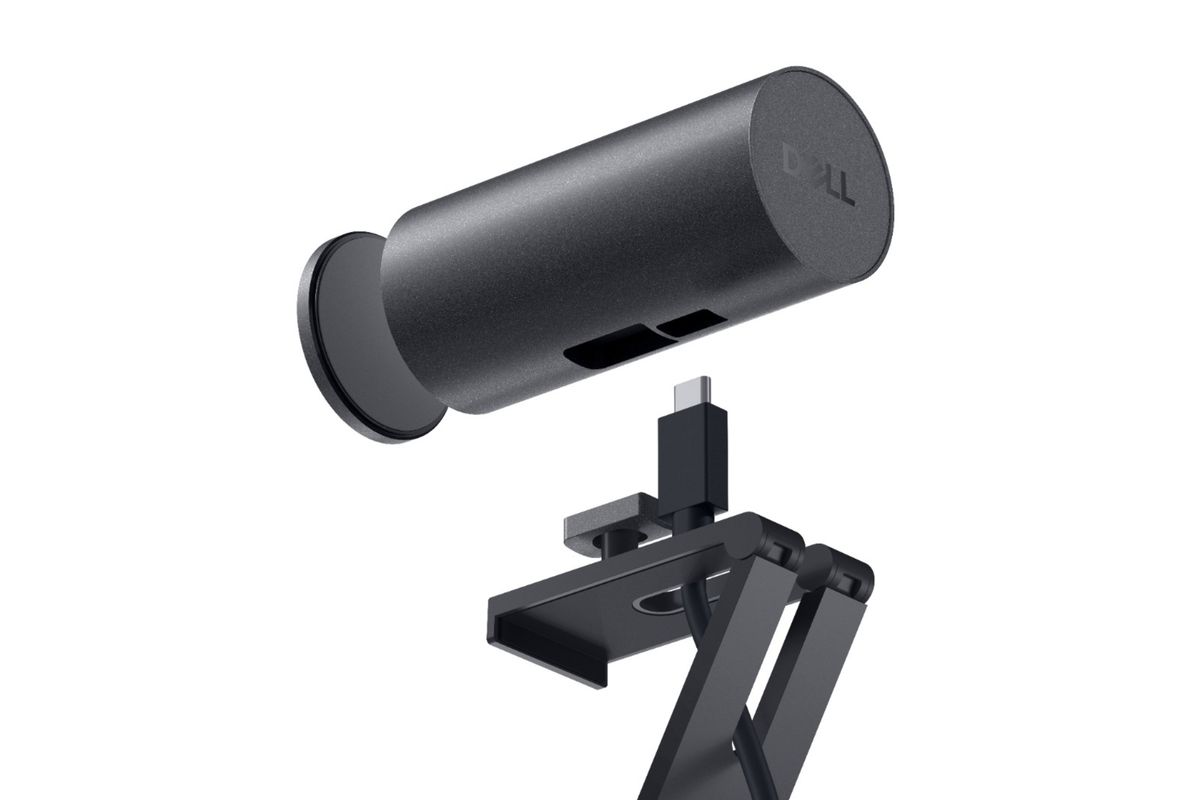
Dell has launched the high-end UltraSharp webcam that costs $199.99 and is available now worldwide. Its cylindrical design is reminiscent of Apple’s old but iconic iSight external webcam, but its features are aimed to compete with Logitech’s Brio and other modern 4K-ready webcams. In addition, it aims to serve as a more affordable and easier-to-set up alternative to mounting a DSLR camera behind your monitor.
The UltraSharp is a USB-C webcam that houses a Sony STARVIS CMOS 8.3-megapixel sensor. It’s capable of recording or streaming in 4K at 30 or 24 frames per second and in 1080p or 720p at 24, 30, or 60 frames per second. You can tweak the field of view (FOV) between 65 degrees for a close crop, 78 degrees, or 90 degrees for the widest crop available. The webcam has a bevy of auto-light correction features that aim to make your picture look good regardless of your lighting. It supports up to 5x digital zoom and has autofocus. Dell claims the UltraSharp offers the best image quality in its class.
This webcam can work without drivers on Windows 10 or macOS computers, but many of its features are accessible only in Dell’s Peripheral Manager software. One of the most appealing features that the software unlocks is the AI auto-framing mode that lets it follow your movements to keep you centered in the frame. The webcam doesn’t actually move, but the video feed appeared to pan and deliver smooth, seamless motion tracking during a live demo shown to The Verge. (The GIF below is an accurate portrayal.) A similar feature has appeared recently in Amazon’s new Echo Show smart displays and the latest iPad Pro, and it’s a perk that currently sets Dell’s webcam apart from the rest.


Other noteworthy features include its infrared sensor that can log you in to your PC via Windows Hello facial recognition. It also has a proximity sensor that, on Dell PCs, can take advantage of the company’s Express Sign-In feature that can log you in and out automatically depending on whether you’re sitting at your PC or not.
The UltraSharp includes a standard monitor mount as well as a tripod mount. It can connect magnetically to either one. (There’s also a magnetic lens cap included.) The monitor mount seems like it’ll be a solid option for most — even for people who own monitors with the slimmest of bezels. And for streamers or people who are looking for a specific angle, it’s great to have the option to easily put it on a tripod.
But $199.99 isn’t cheap for a webcam, and I haven’t even gotten to its biggest omission: it doesn’t have an internal microphone. Dell said it was focused primarily on optics for this model, so you’ll need to source your own microphone — whether that’s a standalone USB or XLR mic or a headset. That might be a deal-breaker for some, but mic aside, this one’s stacked with enough thoughtful features that might make it worth the price still. We’ll be testing this one, so check back for more in-depth impressions soon.
Here’s an even closer look at the Final Fantasy 1-6 pixel art remasters
After a baffling 30-second announcement which fans had to pause and freeze-frame to get detail from, Square Enix has finally released a closer look at the Final Fantasy Pixel Remaster series, an upcoming set of stand-alone re-releases of the classic 2D Final Fantasy games for PC and Mobile.
The Pixel Remaster series aims to offer a definitive remastered version of the first six Final Fantasy games, updating Final Fantasy I, II, III, IV, V and VI to modern standards on modern platforms. They follow on from controversial redrawn versions of FF5 and FF6 from 2013 and 2014 that fans generally hated – this aims to be a much more faithful reimagining of these beloved games.
That doesn’t mean they’re pixel-accurate, however. As we discovered in our investigation earlier this month, the Pixel Remaster series features redrawn character sprites across all six games, with details and colouring changed. While they’re far closer to the originals, they are definitely different – and now, thanks to a new trailer Square Enix uploaded to its Japanese YouTube channels, we can glimpse those new sprites in-game across all six titles.
The 30-minute deep dive trailer was seemingly released by mistake, and has since been removed. It confirms that the games will be released individually, with the first – FF1 – set to release on Steam and Mobile in Japan at some point next month.
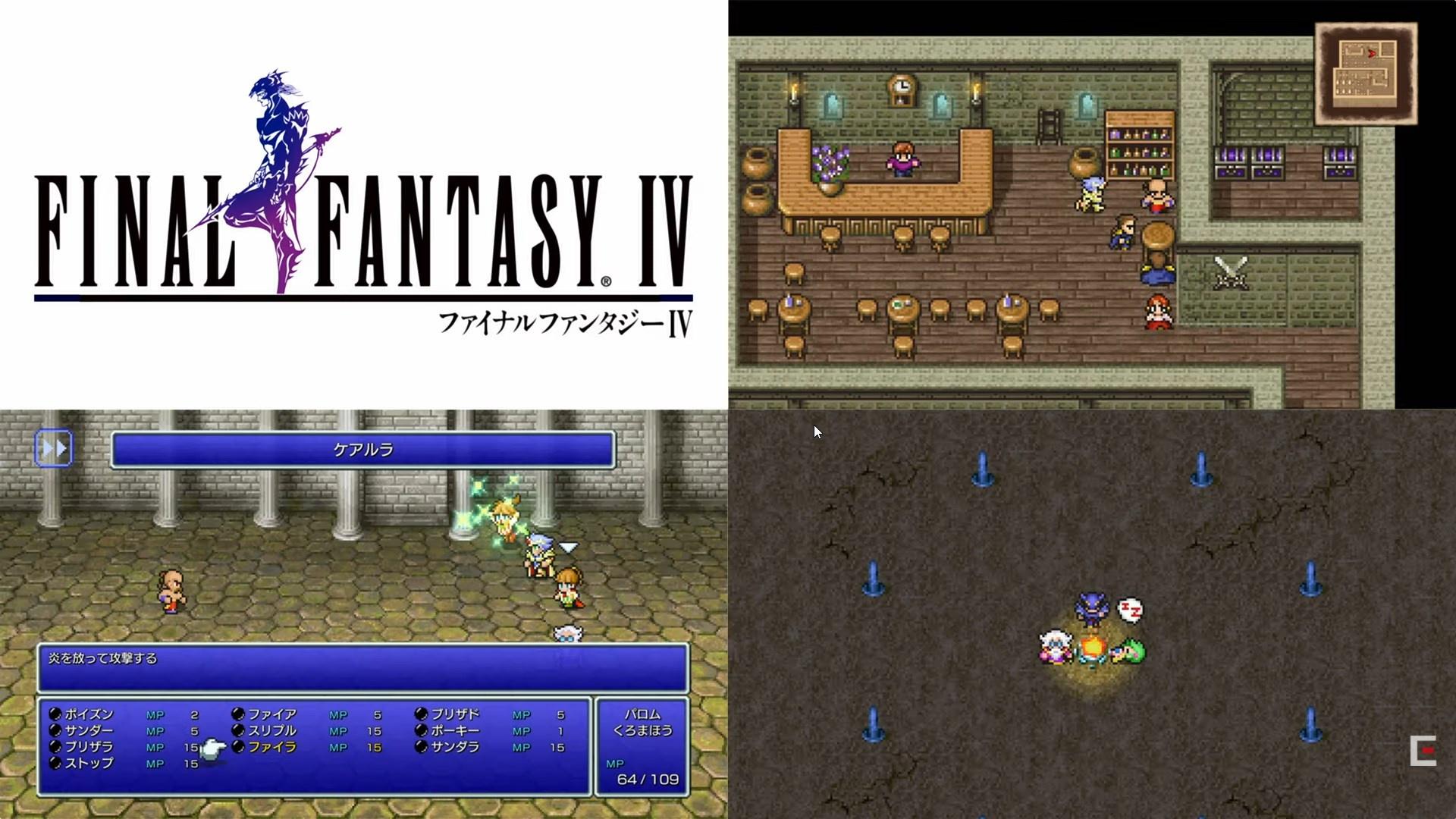
The deleted video mostly focuses on talking to some of the developers of the original games about their legacy – but also features some short glimpses of in-game footage. Here’s some screenshots of all six games as shown in the trailer, courtesy of ResetEra user Laxoon – with some analysis from us below.



Advertisement. Keep scrolling for more

The images give us a better glimpse at the HD Pixel Art Remaster collection, and based on the control prompts for things like the space bar, appear to have been captured from the PC versions.
In these images, we can see that not just the main sprites have changed – but also there have been general artistic tweaks across the board. Most striking is the image of FF6’s Narshe from the game’s opening moments. In the original game you can glimpse the town of Narse down below the cliff edge where Terra, Biggs and Wedge survey it from on high – but in the Pixel Remaster version, the buildings are much larger and more defined, and the color scheme of the scene in general has been adjusted.

What this comparison makes clear, above all else, is that these are not phoned-in versions of these games with redrawn sprites and nothing else. That was what we got in 2013/4 – and the fan backlash was considerable, mostly to sprites that, while technically accomplished, didn’t seem to fit the original games.
The new sprites might be an attempt to emulate the color distribution effects of display on CRT television displays, or they might just be an artistic change to better match other art and the original intent. Certainly, the changes will made the six 2D FFs more similar in general style. We don’t yet know the complete intention and detail around changes for sure, though it is clear that these new sprites are based on those in the 2018 FF DOT art book, which original FF sprite artist Kazuko Shibuya revisited much of her work for.
The remasters are clearly aiming to be cohesive works that recreate the mood of the original game – though with some changes. For older games, this involves drawing reference from the many different versions previously available. Here’s an extensive look at every version of FF1 (with credit to various YouTube channels for the screengrabs of the NES, Wondersawn, PS1, GBA, and PSP versions):

Hopefully the trailer is re-released, alongside more screenshots and footage, soon.
Sea Of Thieves A Pirate's Life Video Review – GameSpot

- Sea Of Thieves A Pirate’s Life Video Review GameSpot
- Sea of Thieves: A Pirate’s Life review — The greatest video game crossover of all time Windows Central
- Sea of Thieves: A Pirate’s Life update fixes broken achievement for some players TrueAchievements
- Sea of Thieves: A Pirate’s Life Brought the Game to #1 on Steam Charts Wccftech
- Sea Of Thieves: A Pirate’s Life Review – Dead Men Tell Five Tales, Actually GameSpot
- View Full Coverage on Google News
Snapchat’s new update fixes its crashing problem

If you’ve been experiencing the bug where the iOS version of Snapchat crashes at launch, it seems that there’s now an update to fix it available in the App Store. The bug that’s been fixed by the update didn’t appear to have affected the Android version of the app.
Before updating to the latest version, 11.34.1.35, the app would give me a message that something went wrong, before crashing to Springboard on my iPhone 12 Mini. Now, I’m no longer getting the error, and have successfully been able to send a Snap.
This is what the bug looked like when it was present:
The Snapchat Support Twitter account hasn’t yet tweeted about the fix (despite having a pinned tweet talking about the bug), but Snap’s SVP of Product has tweeted about the issue being fixed. Both myself and one of my co-workers tested the update, and it fixed the crashing issue for both of us.
If your phone isn’t automatically downloading the update, you can grab it yourself by going to the App Store, tapping on your profile picture in the top right corner, and pulling down to refresh. Any available updates should appear, and you can download them. If you turned off Auto-update to avoid the bugged version, you can turn it back on by going to Settings > App Store, and then toggling App Updates on under Automatic Downloads.
Update June 28th, 7:00PM ET: Updated to reflect that the issue appears to have been fixed by an update from Snapchat.
Disconnect These Western Digital NAS Drives Right Now

Network-attached storage (NAS) devices are external hard drives with network connectivity. They’re essentially private cloud drives you can set up in your home to access your files remotely. They’re convenient, but if you use a My Book Live and My Book Live DUO NAS drive from Western Digital, you should disconnect it from your wifi immediately to keep your data safe from hackers.
According to widespread user reports, outsiders can use the WD My Book Live app to remotely access the NAS drives. Once they’re in, the hacker steals the saved files and then performs a factory reset that wipes all stored data. Data cannot be recovered following a system reset, making this an especially devastating attack.
Normally, users would expect a security patch to fix an issue this severe. Unfortunately, Western Digital stopped supporting the affected NAS drives in 2015, and the devices have not received a new firmware update since. That explains why the vulnerability existed in the first place, but it also means a patch may never come. According to an official statement on Western Digital’s website:
Western Digital has determined that some My Book Live devices are being compromised by malicious software. In some cases, this compromise has led to a factory reset that appears to erase all data on the device.
However, Western Digital did not confirm whether it will address the issue with a patch, saying:
The My Book Live device received its final firmware update in 2015. We understand that our customers’ data is very important. At this time, we recommend you disconnect your My Book Live from the internet to protect your data on the device.
G/O Media may get a commission
Users should check their drives immediately. If the dashboard login screen says “invalid password” (and you’ve confirmed you’re using the right login info), it’s possible someone wiped the drive. If you can still log in and your data is still available, you should remove your drive from the network to prevent the attack. While you won’t be able to access the drive remotely, you can connect it directly to your PC or laptop with an Ethernet cable.
- Turn off your computer’s wifi connection.
- Connect the computer and NAS drive with an Ethernet cable.
- Restart your computer.
- The NAS drive’s light should power on and appear in your PC’s storage devices.
- If you run into any issues, consult Western Digital’s support page for troubleshooting help.
Watch Samsung’s virtual Mobile World Congress event here

This story was originally published and last updated .
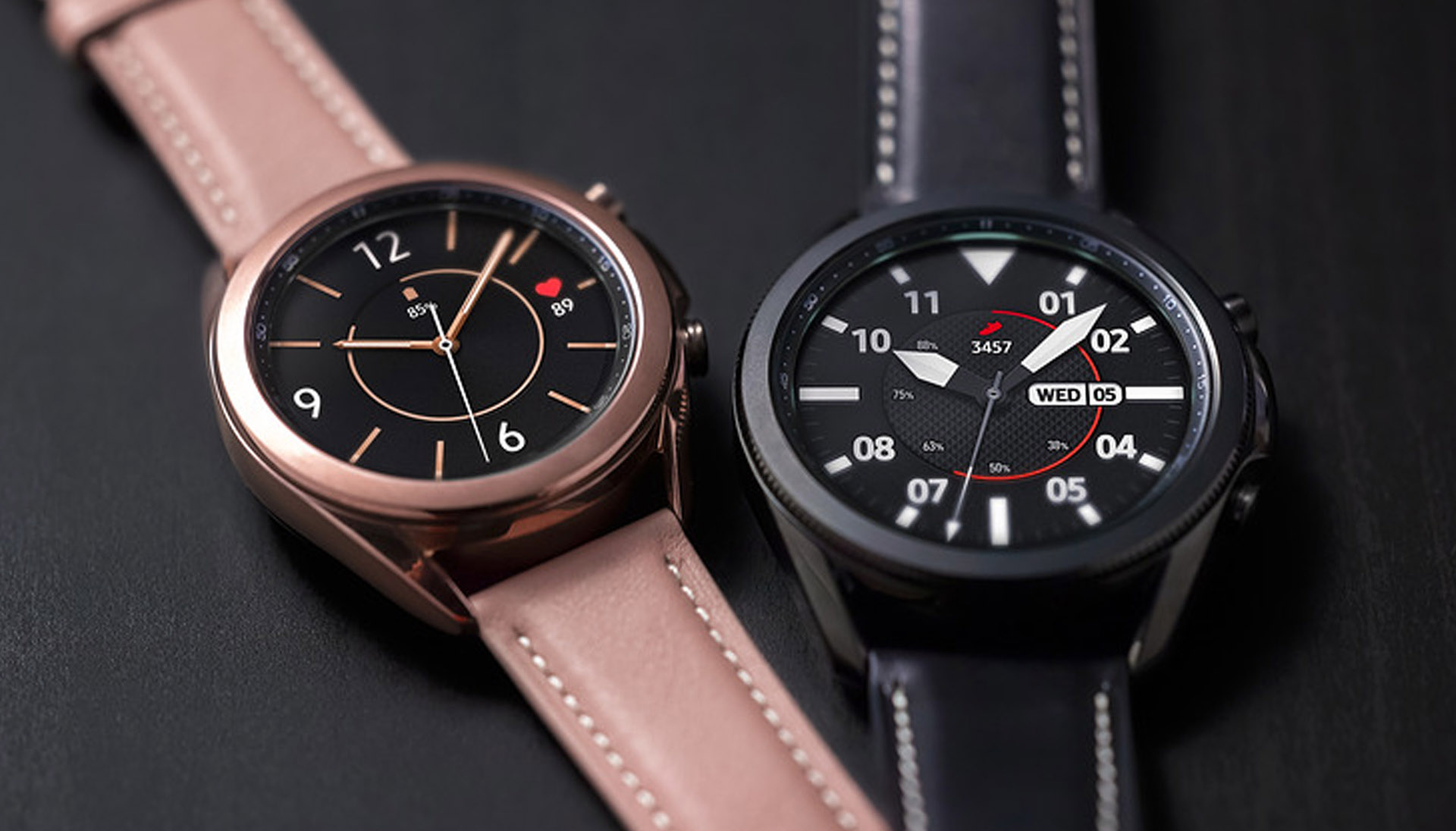
Google raised eyebrows back at the I/O developer conference, saying that the next iteration of Wear OS would be developed alongside Samsung. The company’s Galaxy-branded smartwatches have eschewed Wear OS for years in favor of its own in-house Tizen operating system. Our first real glimpse at this hybridized Wear OS might just come later today when Samsung shows off its “vision for the future of smartwatches,” and you can watch it right here.
Crucially, the digital Mobile World Congress invite doesn’t actually promise to show off new wearable hardware. And it doesn’t make any mention of Wear OS at all. It’s possible that I’m projecting, and maybe we’ll see a Galaxy Watch FE or something, barely distinguishable from the (very good!) models Samsung has been pushing out the last few years.
But I kinda doubt it. I think this will be our semi-formal introduction into the revitalized Wear OS, if not a full reveal of Samsung’s new watch designs.
A lot is riding on this. Google’s Wear OS software and the third-party manufacturers that use it have been falling further and further behind Apple, Samsung, and Fitbit, with even some of the Android faithful writing off Wear OS as a lost cause. A major effort at revitalization might be Google’s last chance to establish a firm foothold in the wearable market, bolstered by its acquisition of Fitbit, which was finalized earlier this year.
Samsung’s MWC presentation will livestreamed be on June 28th at 7:15 PM CET. That’s 1:15 PM Eastern US time. You can watch it using the embedded livestream above.

Square Enix’s Mana Series Getting An Anime, New Console Game, And New Smartphone Release

This weekend, Square Enix held a Mana livestream, which announced a slew of new stuff. Great news if you’re a Mana fan!
The stream was to celebrate the franchise’s 30th anniversary. The first Mana game was released in 1991, but under the English title Final Fantasy Adventure. It wasn’t until 1993 that the series spawned a totally new series with Secret of Mana. The rest was gaming history.
During this weekend’s livestream, a new anime was announced called Legend of Mana: The Teardrop Crystal.
The show will be produced by Warner Bros. Japan with animation duties handled by digital studio Graphinica, as well as Yokohama Animation Laboratory. More info will be announced at a later date, but the anime is aimed at an international market. The release date is still TBA.
G/O Media may get a commission
You can see key art in the above image. A Mana manga was published in the early 2000s, but an anime really seems overdue, no? I think so!
The reveals didn’t stop there: a new Mana game was also announced as being in development for home consoles, but do note that the game is still a good way off. The most recent Mana game to hit consoles was Trials of Mana, which was released last year. In case you missed it, check out Kotaku’s previous coverage right here.
That wasn’t the only Mana title revealed during the livestream, as a title bound for smart devices was also announced. Called Echoes of Mana, the game is an action role-playing game.
The free-to-play game is headed to iOS and Android.
Have a look at screenshots below:
Echoes of Mana will get support in a variety of languages, including Japanese (of course) as well as German, French, Korean, traditional Chinese characters, and English. The game will be released next year.
Kuo: iPhone 13 Pro Models to Feature Improved Ultra Wide Camera With Autofocus, Compared to Current Fixed-Focus Lens
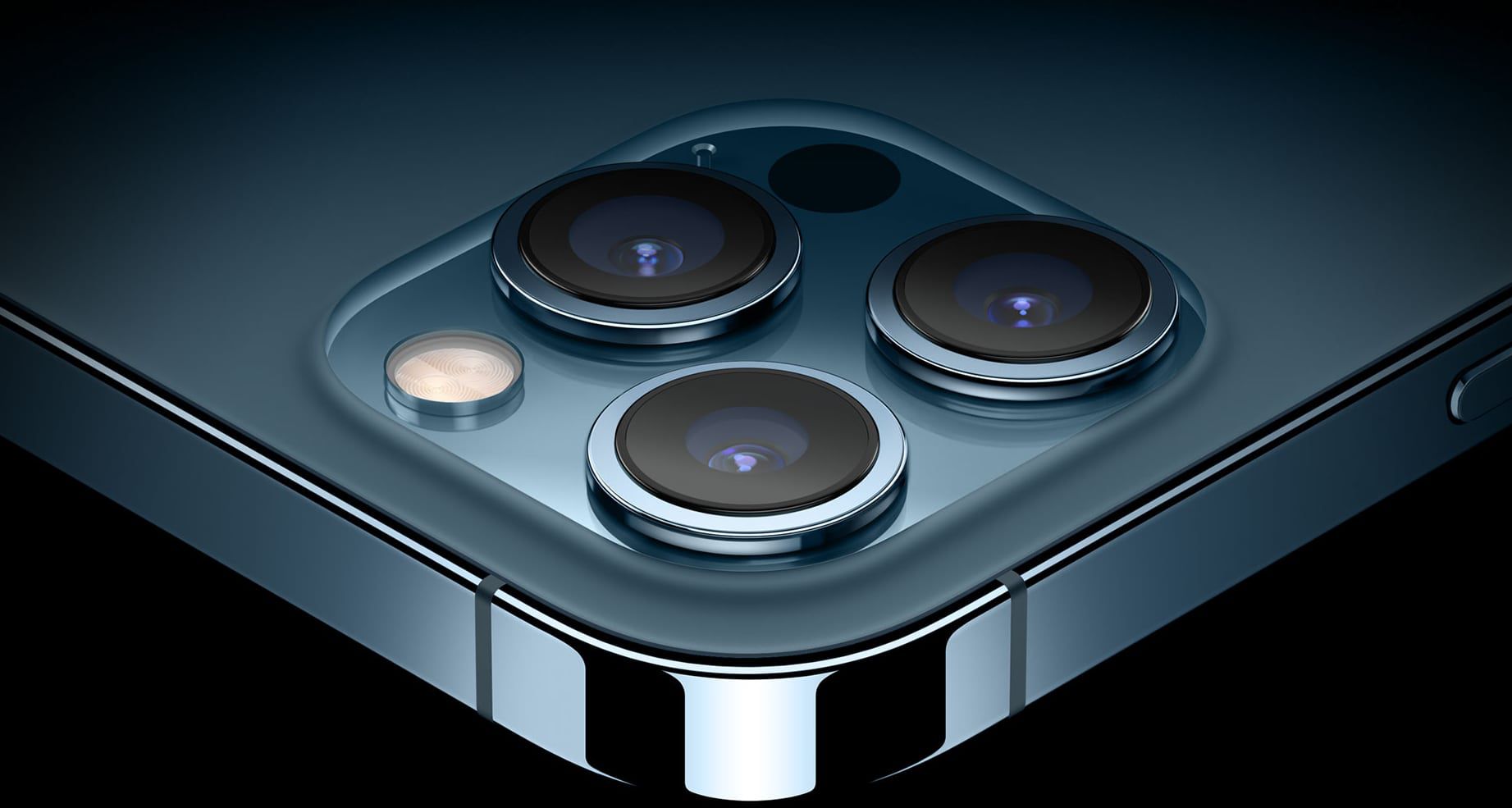
The high-end models of the upcoming iPhone 13 lineup, such as the iPhone 13 Pro and iPhone 13 Pro Max, will feature an upgraded ultra-wide camera with autofocus, compared to the current fixed focal ultra-wide camera on iPhone 12 models, Apple analyst Ming-Chi Kuo said today in an investors note obtained by MacRumors.
Compared to the current fixed-focus lens on the ultra-wide camera on the iPhone 12 lineup, autofocus on the iPhone 13 Pro and Pro Max will help deliver crisper and sharper images, regardless of the distance a specific subject is from the lens. Kuo has previously stated that the iPhone 13 will feature several other camera improvements, including improved low-light performance.
Looking more long-term, Kuo today shared additional information on the iPhone 14, destined for 2022. According to Kuo, while autofocus on the iPhone 13 ultra-wide camera will be limited to the high-end Pro models only, Apple plans to expand autofocus for the ultra-wide camera to all four models of the iPhone 14 lineup.