TechNews

Genshin Impact – Official Teyvat Adventures Commemorative Video – IGN

- Genshin Impact – Official Teyvat Adventures Commemorative Video IGN
- How many Primogems are required to get Kokomi in Genshin Impact? Pity, Soft-pity, and 50/50 conditions explained Sportskeeda
- Character Teaser – “Sangonomiya Kokomi: The Ocean’s Will” | Genshin Impact Genshin Impact
- Genshin Impact Trailer Teases Sangonomiya Kokomi, Abilities, and More GameRant
- Genshin Impact – Official Sangonomiya Kokomi Character Teaser Trailer IGN
- View Full Coverage on Google News
This is the Google Pixel 6 and Pixel 6 Pro, Google’s chief rivals to the iPhone 13
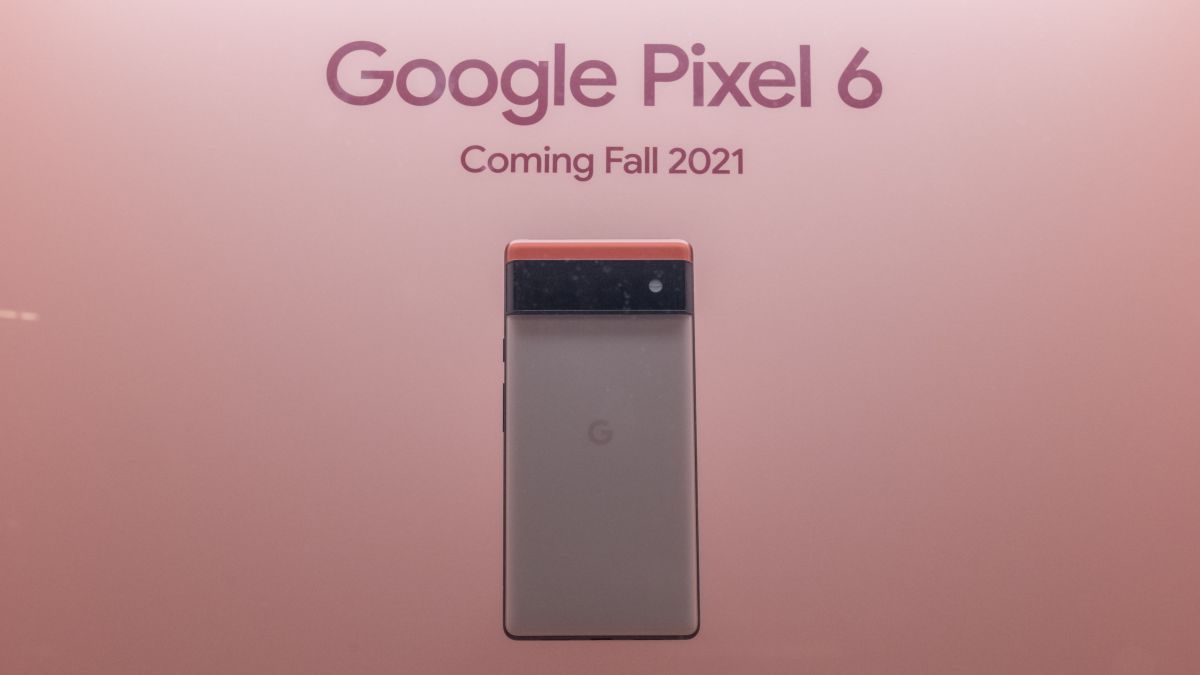
There hasn’t been a formal Google Pixel 6 and Pixel 6 Pro launch event yet, but both Android phones are on display in New York City, teasing Google’s forthcoming rivals to the newly announced iPhone 13 and iPhone 13 Pro series from Apple. Uncanny timing, right?
Naturally, we decided to snap plenty of photos for you from all angles – at least from all the angles possible for a phone situated behind glass – by traveling to the Google Store Chelsea in Manhattan. The new retailer store was closed, but anyone can take a peak at the backsides of the Google Pixel 6 and Pixel 6 Pro.
There’s still no formal Google Pixel 6 release date, but the window display does state that both phones are ‘Coming Fall 2021’. We usually see Google launch its flagship smartphones in October, though the Google Pixel 5 did launch in late September.

The standard Google Pixel 6 is on display in a two-tone orange color, one of three colors for the smaller phone. Each model has a two-tone color scheme: a darker hue on the top above the unique black camera band and a lighter color on the bottom.
The Google Pixel 6 Pro is on display in a yellow/gold color that spans the top and bottom halves. The top portion of the phone is noticeably larger on the Pro model. Other colors not on display: green for the Pixel 6 and silver for the Pixel 6 Pro. Both editions will come in black.
A close-up of that camera bar
Pull up a seat to the camera bar. We got a close-up of the odd-looking Google Pixel 6 camera module, which sports two lenses on the Pixel 6 and three on the Pixel 6 Pro. If you want some zoom, you’re going to have to pay for the Pro version.
The Pixel 6 camera specs, while unconfirmed, include a 50MP standard wide camera, 12MP ultrawide camera and the Pro-exclusive 48MP telephoto camera. Apple’s iPhone 13 Pro is relying on large sensors and individual pixels for its 12MP triple-lens rear cameras, so we’ll have to do some side-by-side testing when we get our hands on both.
The differences between the Google Pixel 6 Pro and regular Pixel 6 won’t stop at the extra rear camera lens. The Pro will also include a larger display, bigger battery, more RAM and better front-facing camera, according to the rumors specs.
But at the heart of both phones will be what Google will likely talk about the most: its own in-house chipset, the Tensor chip. Google has made great strides with AI-driven computation photography in the Pixel series since 2016, and it’s ditching Qualcomm for its own in-house SoC solution, we’re eager to see the results.
Sadly, while we almost got our hands on these two phones and saw the phones in person, the fact that they’re behind glass means we haven’t checked out the front. Given the ‘Fall 2021’ release window, it won’t be long before we can grab one for real.
The biggest iPhone 13 feature isn’t on a spec sheet. It’s in the trade-in offers
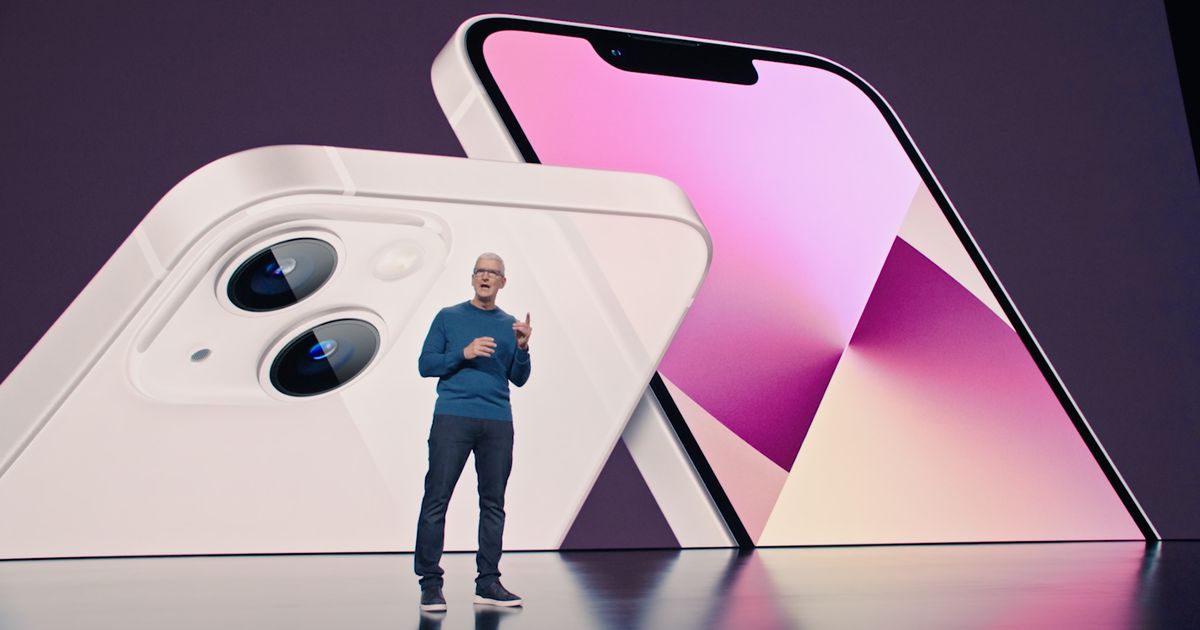
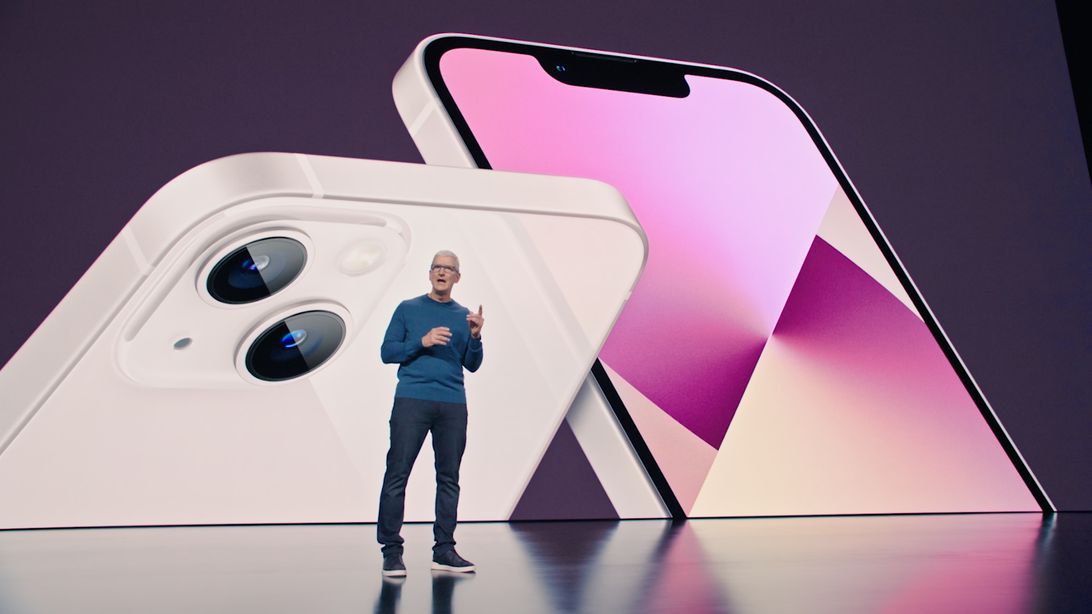
Tim Cook unveiled the iPhone 13 at Tuesday’s Apple event.
Apple
This story is part of Apple Event, our full coverage of the latest news from Apple.
Apple’s iPhone 13 and 13 Pro lines look to offer plenty of welcome improvements. Battery life is longer, there are nifty camera tricks, better displays and even some new color options. While this “S” year upgrade isn’t as significant as last year’s redesign and inclusion of 5G, there is enough here that Apple will still likely move many, many millions of iPhones.
Especially when you consider the carrier pricing here in the US.

Watch this:
Apple announces new iPhone 13 lineup, Apple Watch series…
1:49
All three of the major wireless providers have begun introducing new offers to get people to upgrade their older devices to these 5G-capable iPhones. As has been the trend in recent years, these offers are available to both new and existing customers, offering significant discounts on all versions of the new iPhone 13 if you’re willing to upgrade and commit to staying with a carrier for several years.
The deals represent a push by the carriers to not just pick off customers from each other, but to lock in their existing base with longer deals. They opened the floodgates of deals last year, when the companies were eager to get people on their 5G networks, and they’re continuing with the iPhone 13 launch. While it’s a good time for those looking for a good deal, consumers should be aware that terms can stretch out as far as three years.
Apple went so far as to acknowledge carrier discounts during its presentation on Tuesday with Kaiann Drance, Apple’s vice president of iPhone product marketing, noting that there are “some fantastic offers from Apple and our partners” when mentioning the pricing of the iPhone 13.
AT&T is offering up to $1,000 off the iPhone 13 Pro or Pro Max and up to $700 off the iPhone 13 and Mini, essentially making the iPhone 13 Pro or 13 Mini free. Verizon is offering up to $800 off any iPhone 13, covering the base costs for the 13 and the Mini.
Read more: iPhone 13 price and preorder: How and when to buy Apple’s new phones
Both carriers will need you to trade in a fairly recent phone and be on an unlimited plan (in Verizon’s case, one of its current higher-tier unlimited offerings such as Do More, Get More and Play More or older Above Unlimited and Beyond Unlimited plans) to get full credit. AT&T also requires your device to be in good working condition while Verizon will take any phone — even those with broken screens — so long as it doesn’t have battery damage.
T-Mobile’s most aggressive offer actually comes from Apple directly. If you’re buying from Apple and trading in an iPhone X or newer, the company will give you a credit of at least $200 from Apple towards the price of the phone and a minimum of $200 back from T-Mobile. Those numbers can quickly jump if you’re trading in a new device and have the carrier’s top plan, known as Magenta Max.
If you have Magenta Max and are trading in an iPhone 12 Pro Max you’ll get $790 back from Apple, with T-Mobile kicking in an additional $500 through bill credits for a total savings of $1,290.
More directly, T-Mobile is offering up to $500 off the price of any iPhone 13 series phone, so long as you finance on an installment plan and trade in an eligible device. This offer doesn’t require a Magenta Max plan and will work with any of the company’s other offerings.
Sarah Tew/CNET
Playing for keeps
The catch in all cases is that you need to be willing to stay with whichever carrier you choose, because the discounts come back to you as monthly bill credits.
AT&T’s deal requires financing the phone over 36 months. Verizon needs you to finance over the course of either 24 or 30 months, while T-Mobile’s Apple deal will give the carrier’s portion of promotion through bill credits over 24 months (the phone trade-in to Apple can be used as an instant credit). T-Mobile’s direct $500-off promotion requires buying an iPhone 13 on a 30-month installment plan.
In any case, if you cancel service or leave early, you risk losing the remaining bill credits and being charged the outstanding balance owed on the phones.
“Now that US carriers are rolling out 5G networks in earnest, they are trying to shore up their subscriber base to keep the competition at bay,” says Avi Greengart, an industry analyst at Techsponential. “They are all ensuring that these deals pay off by tying them to their most expensive service plans, requiring trade-ins, and extending the subsidies over two or even three years.”
Watch this:
Apple reveals iPhone 13
0:55
On top of the upgrade offers today, some carriers like T-Mobile have added new incentives to keep people tied to their networks for even longer periods of time, well past the iPhone 12 or 13.
Called the “Forever Upgrade,” starting on Friday the carrier is guaranteeing a trade-in value of up to $800 for those on its network who buy a new iPhone 12 or 13 and have its highest-tier Magenta Max plan (other older, high-end T-Mobile or Sprint plans are also eligible).
As with all the other deals, there is a catch. In addition to the plan requirements, that $800 trade-in value won’t become reality unless you wait two years and keep the device in good working condition. At that point you can once again trade in the iPhone you are getting now and put that money towards a new device, keeping the cycle going.
Carrier deals like the ones offered by T-Mobile “are designed to drive more consumer loyalty” and keep people from leaving, said Anshel Sag, a senior analyst at Moor Insights and Strategy.
And because so many of these deals require a higher-tier unlimited plan, Sag notes that the carriers are “happier to keep these customers rather than letting them go to someone else who has more aggressive iPhone offers.”
The iPhone 13 event was a case study in Tim Cook-era product refinement
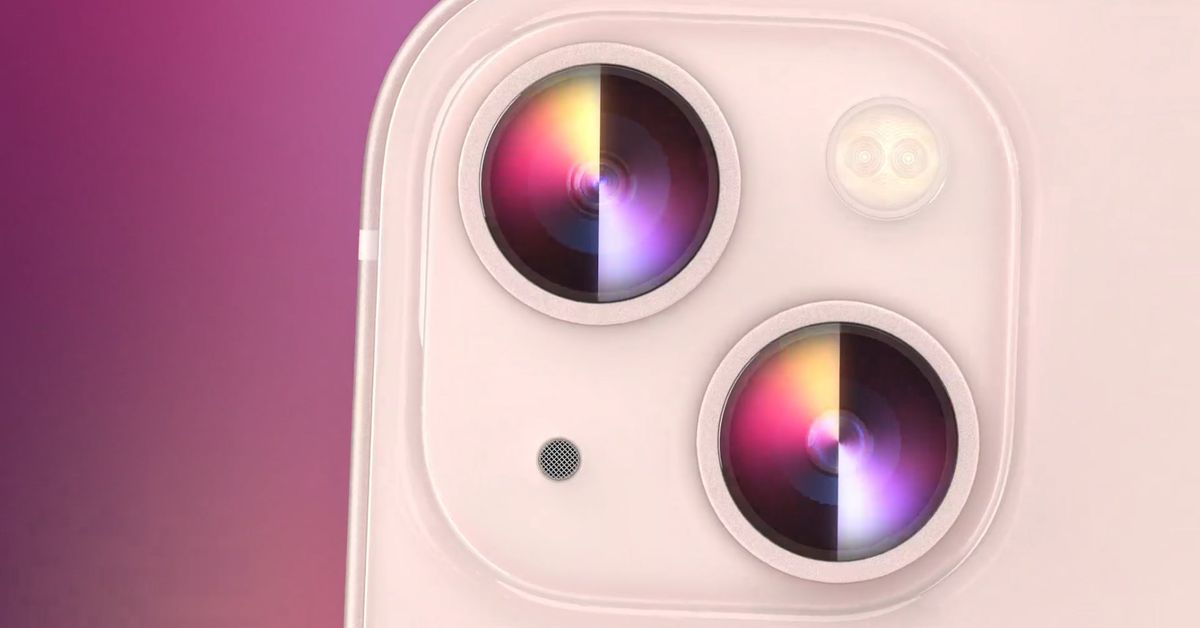
For the past ten years, Tim Cook’s greatest accomplishment as Apple CEO has been vastly more of the same. More iPhones, more iPhone accessories, more apps, and so much more money. While the Mac and iPad have occasionally fallen into disrepair, the company keeps coming back with new reasons to buy its greatest hits every year — and this year’s iPhone 13 event is a near-perfect case study in how far refinement can take you.
As my colleague Jon Porter points out, the iPhone 13 is effectively the iPhone 12S, an iterative, incremental update to last year’s phones instead of something that feels brand new.
But oh, what an update. What company wouldn’t dream of being able to say they improved the processing power AND the battery life AND the cameras AND the displays AND the storage capacity AND the connectivity AND the design in the course of a single year, all without changing the price one bit?
In 2021, the same $829 you’d pay last year now buys you twice the storage, a whopping 2.5 additional hours of quoted battery life, more 5G bands, and an additional 175 nits of brightness over the iPhone 12, plus the 47 percent larger sensor and sensor-shift stabilization system that was previously exclusively available in the $1,099-and-up iPhone 12 Pro Max. A new cinematic video mode isn’t exclusive to the Pros, either (though smooth 120Hz screens, a new macro photography mode and ProRes video will be.) And while the company doesn’t offer any real numbers to back it up, Apple claims even the iPhone 13 Mini will give you the fastest processor available in any smartphone on the market.
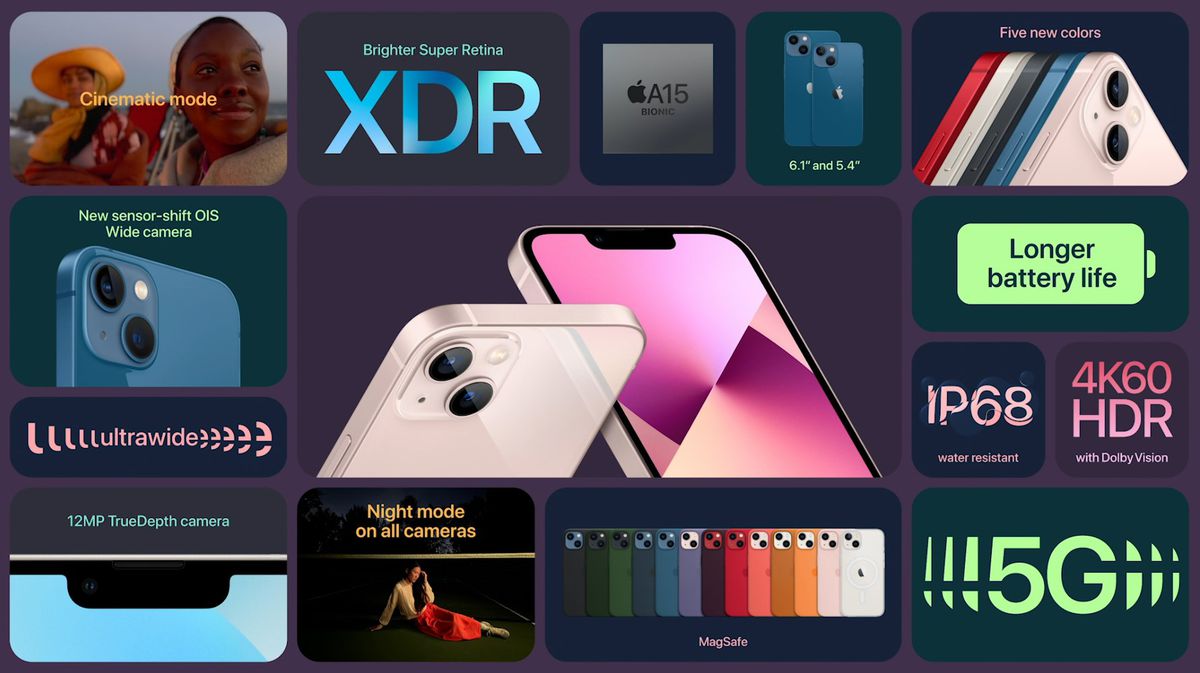
Also, you can’t say the design didn’t change at all. While the notch still exists, it’s smaller! (I like the iPhone 13 Pro’s blue an awful lot, too.) The only tradeoff I can find this year — ahead of our reviews, that is — is that the iPhone 13 lineup is oh-so-slightly thicker and heavier. You can find our comparison charts here.
This year’s iteration is so compelling that I’m vaguely tempted to upgrade my perfectly good iPhone 12 Mini to get that better camera with sensor-shift and an additional hour or so of battery life. (I probably won’t, since the announcement means the resale value of my existing phone has likely already tanked, but I do worry Apple might still cut off the Mini next year due to reportedly lackluster sales.) If I had an iPhone 11 or earlier, it’d be a no brainer — I’d definitely be preordering one on Friday.
And while it might feel criminal that the new $329 10.2-inch iPad still uses a Lightning connector and first-gen Apple Pencil, Apple’s still issuing a decent upgrade there without asking for more money — doubling the base storage from 32GB to 64GB, moving from the A10 Fusion chip to A13 Bionic, and hopefully finally putting a decent front-facing camera (12MP, vs. just 1.2MP!) onto its entry-level tablet computer.

The story’s a little bit different with the 6th-gen iPad Mini, mind, since it starts $100 higher than before at $499. But the upgrade incentives are still strong: it’s a crystal-clear update over its predecessor with a larger and higher resolution 8.3-inch screen despite its slightly smaller and lighter frame, with a magnetic connector to dock a 2nd-gen Apple Pencil. It’s got the A15 Bionic chip from the new iPhone 13, but with the extra graphics core you’ll only otherwise fined on the iPhone 13 Pro. The camera’s bigger and faster at 12MP and f/1.8 (compared to 8MP and f/2.4), with 4K video for the first time, and both the Wi-Fi 6 and 5G support that the 2019 model lacked. Just don’t go looking for a headphone jack.
Apple is managing all of this during a pandemic and a global chip shortage, and so far there’s only been a single indication that Tim Cook’s giant manufacturing machine can’t keep up: The new Apple Watch Series 7 was rumored to be delayed due to production issues, and while it reportedly overcame them, we don’t have any release date for the new watch save “later this fall” and Apple’s being cagey about the details.

A leaked spec sheet for the watch suggests it was supposed to ship in September alongside the new phones, but the fine print says even its specs are “subject to change without notice,” and Apple didn’t respond to a request for comment about the document.
The watch is why I say this year’s event is a nearly perfect case study: it’s not as clear why someone would buy the Series 7 over a discounted Series 6, despite the larger and reportedly more durable screen. With the same battery life and no reason to believe there’s more processing power or functionality, plus a late start, it might be the one insufficient iteration this year.
How to fix your Nintendo Switch if Bluetooth borked its wake from sleep
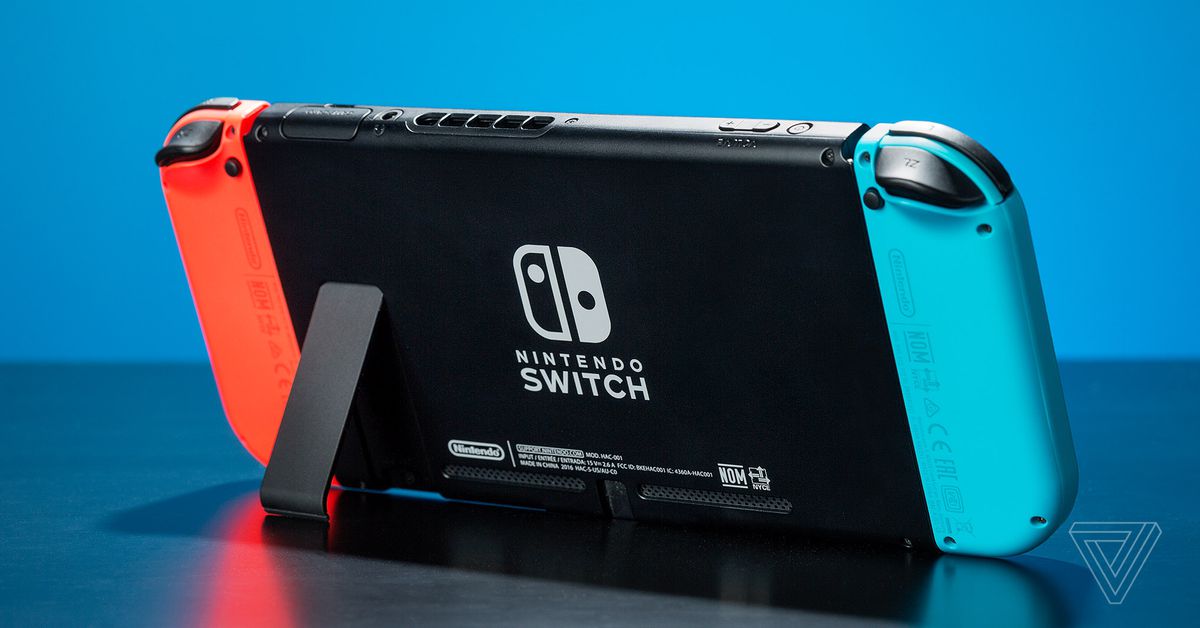
Did the Nintendo Switch’s surprise Bluetooth audio update yesterday make your handheld worse instead of better? That’s what happened to me: instead of inviting me to the magical world of wireless audio, it repeatedly failed to detect my headsets and connect to them reliably.
Worse, it suddenly took more than 30 seconds to wake my Switch from sleep! That’s a huge pain in the ass, considering one of the Switch’s single greatest strengths is how you can instantly jump back into a game.
But after a whole bunch of testing, I think I know what’s going on — and if you’re seeing the same thing, a full Switch shutdown seems to offer a partial fix.
It’s not quite that simple, though, so read on for the details.
The Nintendo Switch Bluetooth pairing problem
To pair a Bluetooth headset, you’re supposed to go to System Settings, scroll down to Bluetooth Audio, set your Bluetooth device to pairing mode, tap Pair Device on your Switch, then select your device once it appears on the Switch’s screen.
If it pairs, you’re set! If it fails because your device wasn’t ready to pair, you might still be okay. Simply put it in pairing mode again, and tap the Search Again button on your Switch.
Problem #1. But if it fails to pair properly — if your Switch thinks it paired, if your headset is blinking like it’s paired, but isn’t routing audio and isn’t showing up on your Switch screen as a paired headset — you might be in for a world of hurt. The Switch’s process does not fail gracefully, and you may run into all kinds of error messages afterward.
After that point, my Switch sometimes won’t even bother to keep scanning for Bluetooth devices. It’ll pop up an “Unable to find Bluetooth audio devices” message the moment I hit the scan button.
Problem #2. And if you’ve run into a ghost pairing issue, you might experience a problem with the Switch waking from sleep as well — because it appears the Switch tries to fire up Bluetooth audio before it wakes the screen and controllers.
Here’s what the Nintendo Switch looks like with no Bluetooth audio devices paired or remembered whatsoever. It wakes pretty quickly, right?
But once I pair a headset to the Switch, it’s no longer instant: the screen takes a little longer to light up, and it doesn’t immediately recognize my button presses that let me unlock the system.
Now, here’s what it’s like when the Switch fails to pair properly with a waiting headset:
So, uh, not only does my Nintendo Switch not get along with Bluetooth headphones as of the new update… it now takes a MINIMUM of 10 seconds to wake from sleep. pic.twitter.com/13dUvv41ga
— Sean Hollister (@StarFire2258) September 15, 2021
(Why yes, my eyes do look scary when they’re bugging out, thanks for noticing.)
How to partially fix Nintendo Switch Bluetooth
You need to fully shut down the Switch, and I mean fully shut it down. I restarted it loads of times, and it didn’t seem to help.
- Tap the power button and wait however long it takes for your screen to turn on
- Unpair and forget any Bluetooth devices
- Hold down the power button for four seconds until you see Power Options
- Tap Power Options then hit Turn Off
- Wait a beat, then power on your Switch again
Sometimes, simply shutting off my Switch was enough to fix my ghost pairing issue (where I saw a 10–30-second delay when waking the system) and let me start pairing Bluetooth headsets again. I was able to get my Wyze Buds Pro to pair on the very first try, a headset that repeatedly failed to connect at all last night.
But other times, it still wouldn’t do an initial pair — and as soon as I saw that “Unable to find Bluetooth audio devices” message, my Switch would take ages to wake from sleep once again. Your mileage may vary: in case it matters, I’m using the v2 of the original Switch, the one that added more battery life.
And if you’re trying to restore the full wake-up speed the Switch is normally known for, you’ll also need to unpair and forget any Bluetooth devices before you do the full shutdown. When I simply unpaired a Bluetooth headset but left it in the Bluetooth menu, I still saw the small delay. Same thing if I shut down first then unpaired and forgot the headset second.
My guess is the Switch leaves its Bluetooth audio feature turned on whenever it thinks you’re going to use it, but you can force it off by removing those devices and initiating a full shutdown.
We’ve asked Nintendo whether these are known issues and whether we can expect fixes in a future firmware update. We’ll let you know what we hear.
Astria Ascending – Official Cinematic Launch Trailer – IGN

iPhone 13 versus iPhone 12 performance comparisons missing

There was one interesting thing missing from yesterday’s keynote: Despite all the time Apple spent talking about the chips, there was no iPhone 13 versus iPhone 12 performance comparison.
Usually, Apple tells us how much faster and more powerful the latest iPhone is compared to the previous model, but this time it didn’t do that – leading some to conclude that there’s a good reason for this …
Apple told us how much the iPhone 13 battery life has improved on that of the iPhone 12. It told us how much better the cameras are. It told us about the smaller notch, new storage tiers, new colors, ProMotion display, new cases, and more. But the only performance comparisons were to unspecified Android phones.
Macworld’s Jason Snell notes that this is unlikely to be an accidental omission.
Here’s a funny thing about Tuesday’s announcement of the A15 Bionic: Apple didn’t compare its performance to the A14. In the past, Apple has compared the power of its iPhones to previous models. But this year, Apple has chosen to proclaim that the A15 in the iPhone 13 Pro has 50 percent better graphics and CPU performance “than the competition.”
Given that Apple has generally been ahead of its smartphone competition in terms of processor power, this suggests that the A15 shows less improvement over the A14 than it does over the Qualcomm processors in leading Android phones. And it makes me wonder if Apple is perhaps trying to soft-pedal a new chip that isn’t much faster than the older model […]
Over the past few years, each successive chip generation has offered a roughly 20 percent improvement in single-core performance. This year may be different. While the introduction of a new A-series processor is always a big deal, it’s an open question about how big a step forward the A15 processor will really be.
SemiAnalysis puts it even more bluntly, claiming that Apple has lost its best chip engineers, and as a result is unable to offer the performance improvements it has in the past.
Apple CPU gains grind to a halt and the future looks dim as the impact from the CPU engineer exodus to Nuvia and Rivos starts to bleed in […]
Apple has been long hailed for having the best CPU cores for consumer workloads for years. They have by far the highest performance per clock and efficiency driven by performance in the same class as AMD and Intel’s best current CPUs. This was driven by breakneck gains with architectural changes every year for a decade.
Now with the A15, these gains are really slowed. Apple in general was very clammy about the A15 comparison in the new iPhone reveal. Instead of comparing it to the previous generation like they usually do, they opted to compare to ambiguous “competitors.” That’s great, but we are only a few months away from new Qualcomm, Samsung, and MediaTek chipsets.
The site then presents evidence that the A14 and A15 performance are likely to be all but identical, basing this on Apple’s performance claims for the new iPad mini.
The most important thing to note is that the CPU gains are identical from the A12 to A14 as they are from A12 to A15.
It says the likely explanation is the brain-drain.
SemiAnalysis believes that the next generation core was delayed out of 2021 into 2022 due to CPU engineer resource problems. In 2019, Nuvia was founded and later acquired by Qualcomm for $1.4B. Apple’s Chief CPU Architect, Gerard Williams, as well as over a 100 other Apple engineers left to join this firm. More recently, SemiAnalysis broke the news about Rivos Inc, a new high performance RISC V startup which includes many senior Apple engineers. The brain drain continues and impacts will be more apparent as time moves on. As Apple once drained resources out of Intel and others through the industry, the reverse seems to be happening now.
We believe Apple had to delay the next generation CPU core due to all the personnel turnover Apple has been experiencing. Instead of a new CPU core, they are using a modified version of last year’s core.
The bottom line appears to be: Don’t buy the iPhone 13 expecting much in the way of performance improvements.
FTC: We use income earning auto affiliate links. More.
Total War: Warhammer 3 | The Dawn of Grand Cathay – Official Cinematic Trailer – IGN

- Total War: Warhammer 3 | The Dawn of Grand Cathay – Official Cinematic Trailer IGN
- Here’s our first look at Grand Cathay in Total War: Warhammer 3 PC Gamer
- Total War: Warhammer 3 reveals Grand Cathay’s army, created for the game Rock Paper Shotgun
- ‘Total War: Warhammer III’ has been delayed into 2022 NME
- Total War: Warhammer 3’s Grand Cathay revealed with explosive new trailer Eurogamer.net
- View Full Coverage on Google News
iPhone 13 Apple Event | The leaks were wrong – Digital Trends

- iPhone 13 Apple Event | The leaks were wrong Digital Trends
- iPhone 13 and iPhone 13 mini Apple Newsroom
- Apple’s New IPhones May Be the Weakest Upgrade Ever Bloomberg
- That Whole iPhone Satellite Thing Was Bogus PCMag
- iPad (2021) vs iPad (2020): which Apple tablet is the best one for you? TechRadar
- View Full Coverage on Google News