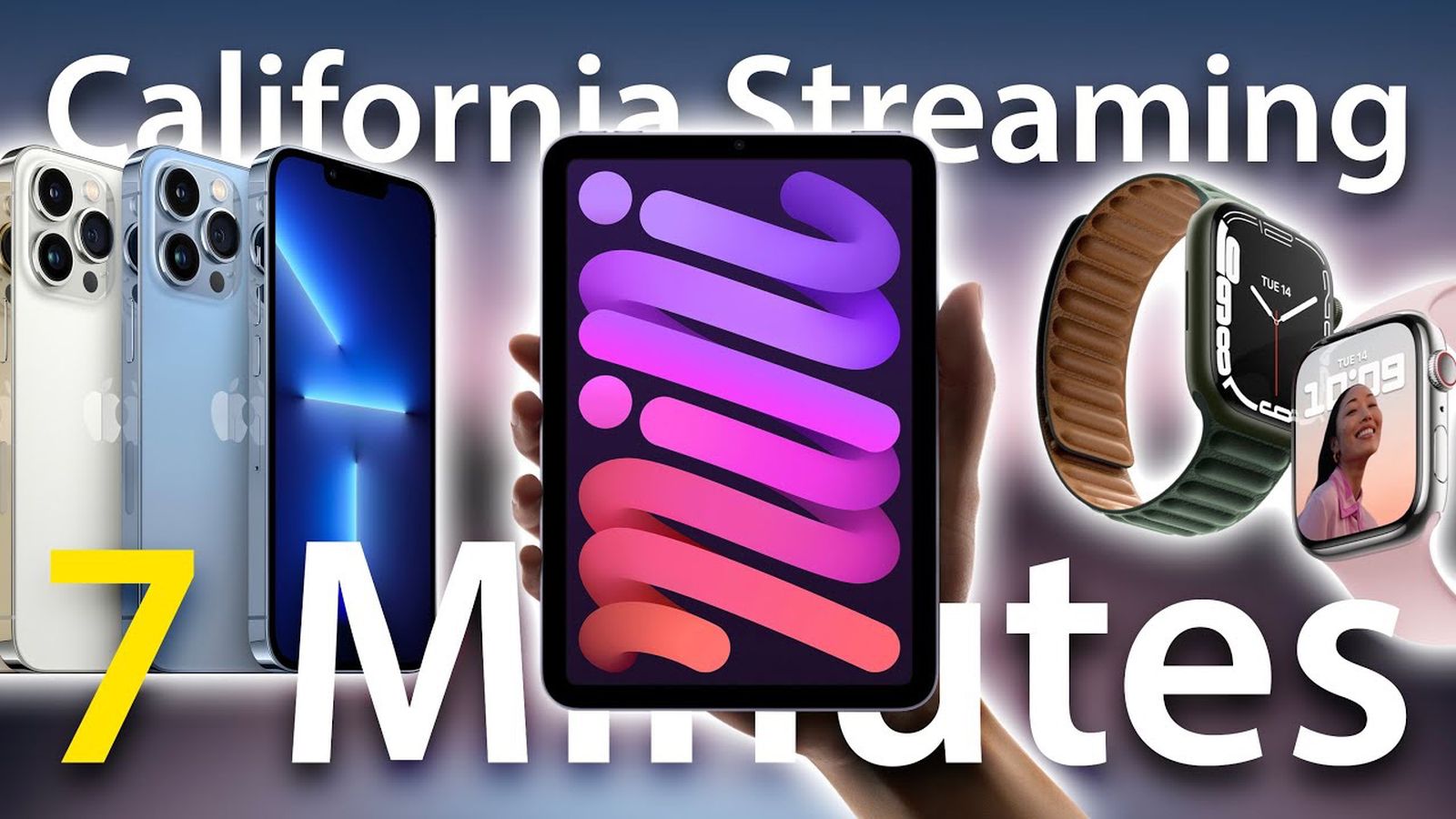
Everything Announced at Today’s Apple Event MacRumorsView Full Coverage on Google News
TechNews
Apple unveils new iPhones with upgraded cameras
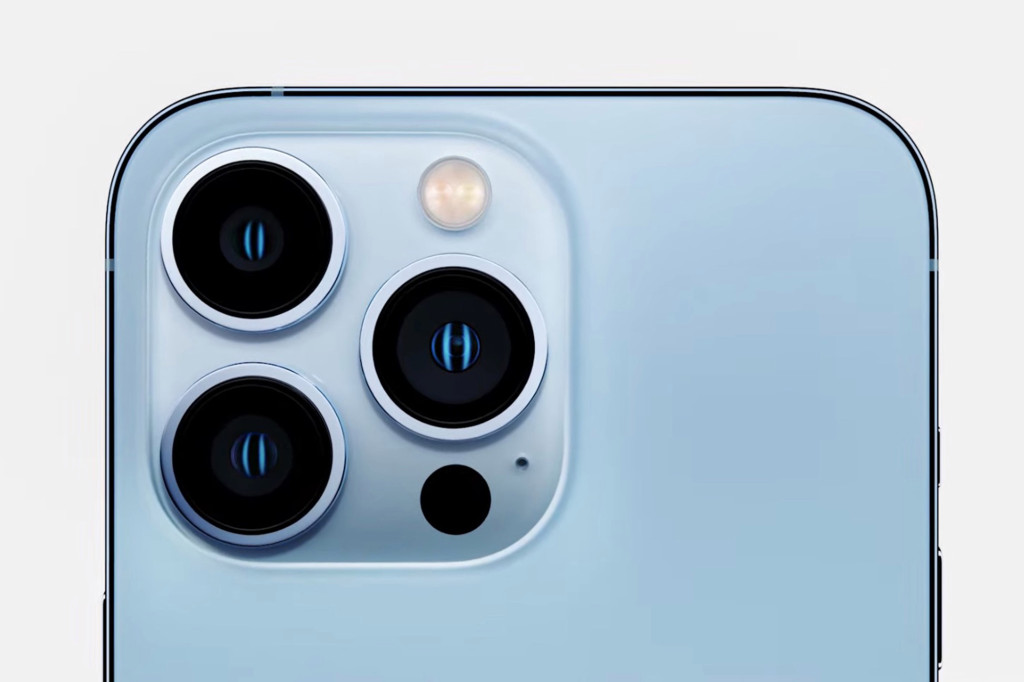
Apple revealed a slate of new iPhones on Tuesday with substantial camera upgrades, as well as new iPad models and an improved Apple Watch.
The new iPhones, revealed by CEO Tim Cook in a livestream event titled “California dreaming,” will arrive in time for the sales-heavy holiday season and cost the same as their predecessors.
The new iPhone 13, which will start at $699, features a stronger camera and processor but an exterior design that is virtually unchanged from its predecessor, save for a smaller “notch” at the top of the screen.
The iPhone 13 Pro and iPhone 13 Pro Max, meanwhile, will sell for $999 and $1,099, respectively. The phones will remain mostly unchanged on the exterior but feature stronger cameras and processors. They will also have “Super Retina XDR Displays” that the company said are 25 percent brighter than previous models.
The most expensive iPhone Pro models will also come with a 1 terabyte storage option — the most storage on any iPhone ever.

All of the new iPhones will be released on Sept. 24.
Both the iPhone 13 and iPhone 13 Pro will see serious camera upgrades, including a “cinematic mode” that functions as a kind of “portrait mode” for video. The feature — which Apple touted in a video featuring “The Hurt Locker” and “Zero Dark Thirty” director Kathryn Bigelow — will allow users to focus photos in a way that mimics Hollywood-quality films, according to Apple.
A new “photographic styles” feature will also let users change tone, warmth and other aspects of photos in real time, the company said.
Wedbush Securities managing director Dan Ives told The Post he expects Apple to see a surge of sales during the fall and winter.
“I think it’s going to be a bonanza of growth that they’re going to see this holiday season,” said Ives, foreseeing a rush of sales due to “the pent up demand… combined with the enhanced battery technology, camera, features and new chip.”
“They kept price points unchanged — there were some fears they were going to have to increase prices,” Ives added.
Ongoing chip shortages have led to increased prices for tech products and have stymied production for smartphone makers including Apple, forcing the company to delay the launch of its iPhone 12 by about a month last year.
Yet Apple brushed off chip supply concerns when unveiling its new A15 bionic chip, which will be featured in the new iPhone models.
“Frankly, the competition is still playing catch-up to our chips — not just from last year, but even from two years ago” said Kaiann Drance, an iPhone marketing executive.
Ives predicted that the phones’ new features and unchanged price point will prompt many “fence-sitting customers” who had been holding onto older iPhones to upgrade, adding that 25 percent of current iPhone users haven’t upgraded their phone in more than three and a half years.
Yet despite Ives’ bold predictions, Apple stock fell slightly in response to Tuesday’s announcements, declining more than 1.4 percent from $148.97 at the beginning of the event to $147.39 shortly before markets closed.
Apple also revealed a slate of new iPads on Tuesday, including a redesigned iPad mini and an upgraded version of the standard iPad with a bigger screen. Both devices also have boast improved cameras and faster processing power — and will be available starting next week, according to the company.
The standard iPad will start at $329, while the iPad mini will go for $499 and up, the company said.

Apple’s new watch, called the Series 7, boasts a 20 percent larger screen than its predecessor and a sleeker, more rounded design. The watch is also less likely to crack and is more resistant to dust, the company said.
The series 7 will go for $399 and be available sometime this fall, the company said. Apple’s cheaper watch options, the Series 3 and SE, will retail for $199 and $279, respectively.
New software for all Apple’s company’s watches will respond to injuries while biking, displaying an option to call for an emergency SOS if it detects that a user has fallen.
Apple also said that “Apple Fitness Plus,” its subscription-based exercise service, is adding group workout classes. That could poach business away from Peloton, the popular but beleaguered spin bike company that is bleeding money.
Apple revealed the new offerings during a slickly-produced broadcast called “California dreaming” that ran for more than an hour.
Apple has rolled out a new iPhone in September every year since 2013 — except for 2020, when the launch was delayed until October due to pandemic-related production setbacks.

Analysts had not expected any dramatic iPhone overhauls this year, after Apple released its first ever 5G iPhones in 2020.
Tuesday’s reveal comes just days after a federal judge ordered Apple to loosen its payments rules and allow developers to route users toward non-Apple payments options, a move that could let developers avoid the company’s 30 percent cut it takes on many sales, putting billions of dollars in Apple revenue at risk.
But Fortnite maker Epic Games, which brought the suit that led to the order against Apple, plans to appeal the ruling because the judge overseeing the case rejected 9 out of 10 of its counts.
The new iPhone launch also comes as Apple is facing scrutiny from privacy and civil liberties activists over a plan to scan users’ devices for child pornography.
Apple revealed the “child safety” feature in August but said in September that it would delay and modify it after a backlash from critics, who said out that the tool could be misused by repressive governments to track and punish users for all kinds of content besides child pornography, including political content.
— Additional reporting by Will Feuer
You can now stream Xbox Series X/S games to your PC
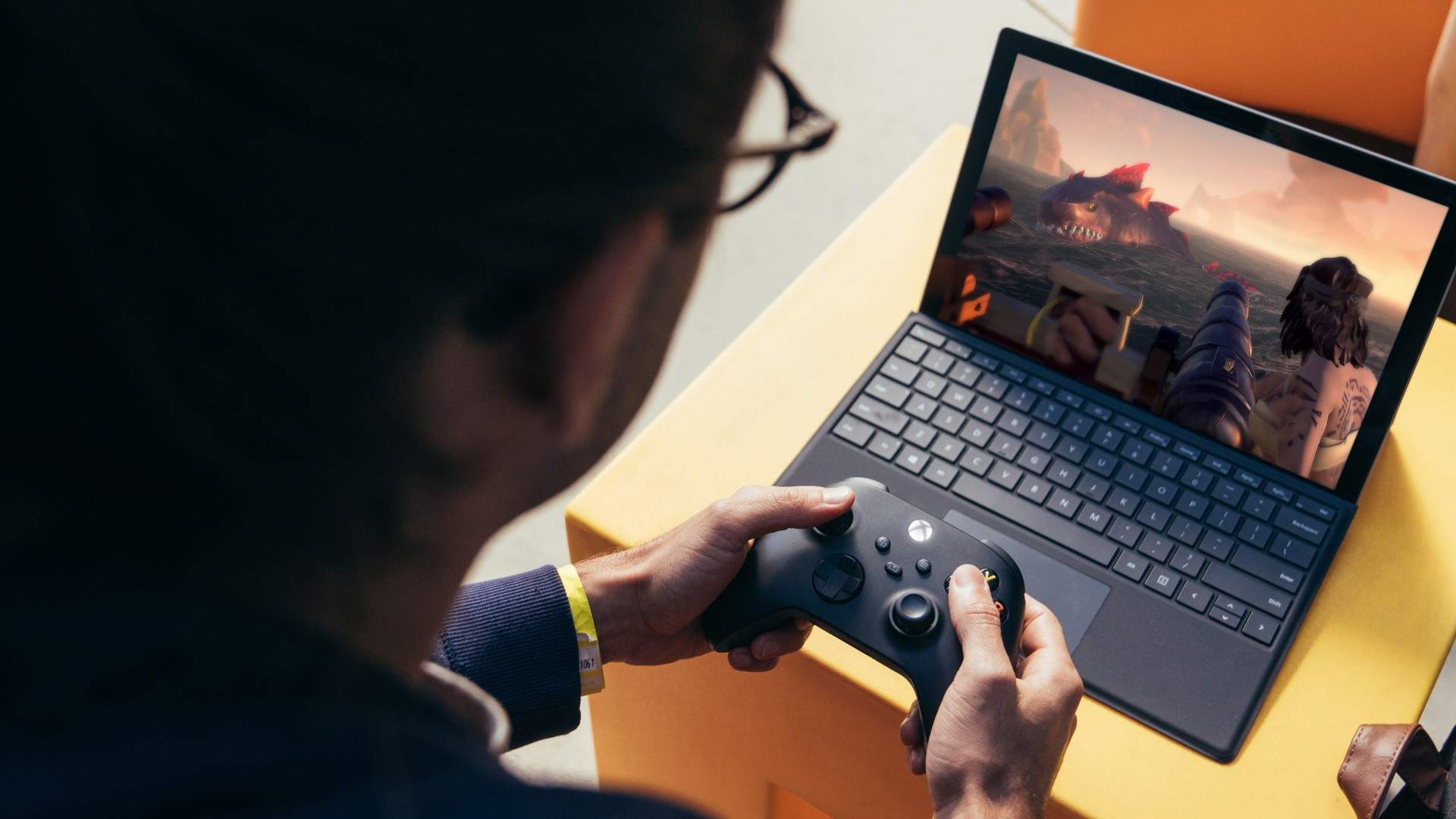
The Xbox app on PC just got much more useful. You can now use it to stream games from your Xbox Series X/S. In addition, the app can now stream all of the console titles available through the cloud on Xbox Game Pass.
This is the first time Microsoft has enabled remote play on PC for Xbox Series X/S — folks have been able to stream Xbox One games to PC since 2015. The company says it has improved the feature’s stability and added features such as being able to stream games from consoles in 1080p at up to 60 frames per second and play some original Xbox and Xbox 360 games.
Microsoft noted that Xbox Game Pass Ultimate subscribers in 22 countries can now play console titles through the cloud on Windows 10 (and soon, Windows 11) PCs. As long as you have a membership, compatible controller and a sturdy enough internet connection, all you need to do is hit the Cloud Gaming button in the Xbox app and you’ll be able to stream console and PC games and play either by yourself or with friends.
There are currently 294 console games available through the cloud on Game Pass Ultimate, compared with 115 PC games. Those include some EA games via the bundled EA Play membership.
The update marks another step forward in Microsoft’s goal of bringing cloud gaming to as many devices as possible. Last month, the company said it would enable cloud gaming on Xbox consoles this holiday season. Game Pass subscribers have been able to stream games from the cloud via web browsers since June.
Meanwhile, if you want to play a game on your Series X/S but your TV’s in use, you’ll able to hop into a session on your desktop or laptop instead. Remote play is also available on iOS and Android phones and tablets.
All products recommended by Engadget are selected by our editorial team, independent of our parent company. Some of our stories include affiliate links. If you buy something through one of these links, we may earn an affiliate commission.
The iPhone 13 may finally get features Android has had for years
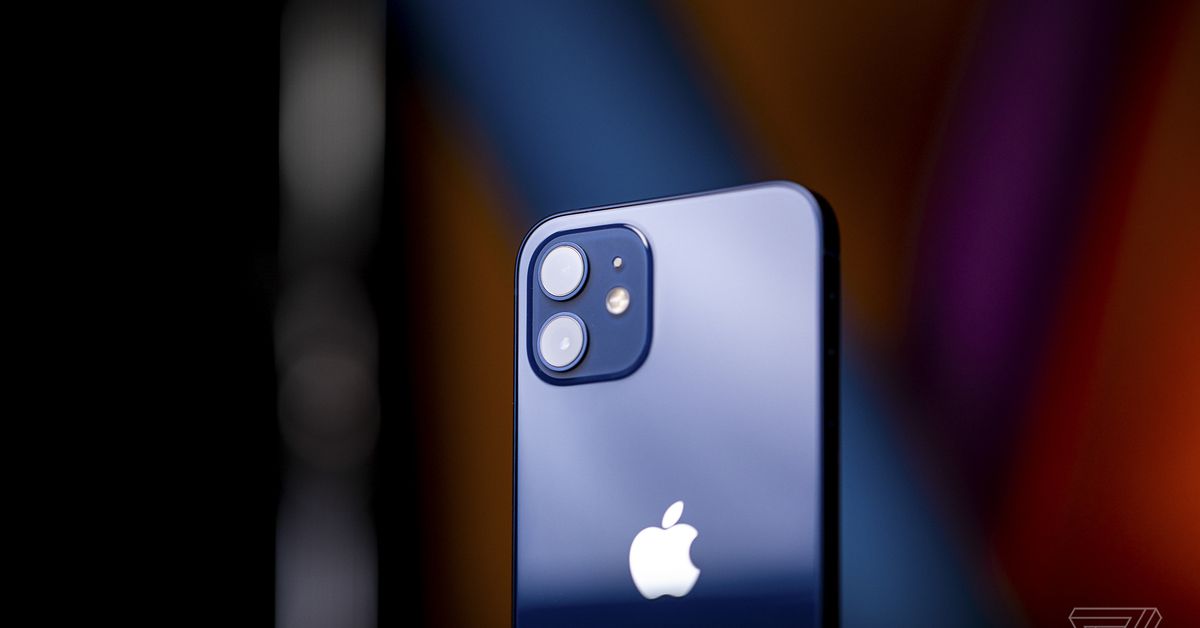
It’s new iPhone day. And as with any new smartphone announcement these days, we have a fairly decent idea of what to expect. Leaks and rumors are more accurate than ever, and though there’s always the potential of a big surprise, the most likely scenario is the iPhone 13 will be what we think it will be.
Just because the rumors are clear doesn’t mean they’re not exciting, though. This year, the iPhone 13 (we assume that’s the name) will have some new technology in the same design. New designs tend to drive big upgrade cycles, but it’s the second year of the design that usually has the most interesting refinements.
We can list them out fairly quickly. There should be four iterations again: A Mini, a regular, a Pro, and a Pro Max. The higher-end iPhones should have an LTPO (low-temperature polycrystalline oxide) display, a low-power kind of OLED screen that makes it easier to have a variable refresh rate. The processors will be faster. The MagSafe charging system will be tweaked. There may be new storage options. The camera will be better, with improvements specifically in HDR and Portrait Mode video —- plus astrophotography.
All those specs will translate into some newer, nicer experiences. There’s one in particular I want to focus on: the screen.
The LTPO display should mean that the iPhone can finally have an always-on lock screen. It should also finally enable smoother transitions as the screen ratchets from some tiny number of Hz to some large number like 120Hz instead of being locked at 60Hz.
Notice the “finallys” in that last paragraph. They’re there because variable refresh rates and always-on screens have been available on Android phones since… forever. In fact, if you run down the rumored features of the new iPhones, many of them appeared first on Android. In addition to high refresh rate screens there’s better quality wide-angle cameras, huge storage, portrait mode video, and astrophotography.
Though the specs may be copied, the question comes back to the “experience.”. The cliche with Apple is that it rarely does something first, but instead comes in later with refinements and does it best. That cliche exists because it’s often right. You may have been able to turn on portrait mode for video on a Samsung phone since 2019, but believe me, you wouldn’t want to use it for anything important, because it’s bad. Apple’s, hopefully, will be better.
That narrative isn’t always correct, though. In some cases, it just papers over Apple just being straight up late to including a piece of technology. I am open to being wrong, but I hesitate to believe that it’s possible to make an always-on lock screen experience so insanely great that that every one before feels broken. It’s a lock screen you can glance at! There’s only so much to do.
An always-on lock screen is also super useful! Being able to quickly see the time, date, and some notification icons is the sort of low-pressure ambient information a phone should be able to provide.
Variable refresh rates are a little less useful, but so much nicer. They can preserve battery life by slowing down refresh rates. They can match the screen’s refresh rate to the content (eg. in a movie or a game). And they can make animations and scrolling look so much smoother. And yet, the only notable Apple devices to feature a high refresh rate are its high-end iPads. Meanwhile, every high-end Android phone and many mid-rangers have it.
I’m honestly a little baffled as to why it’s taken Apple this long to make such obviously nice features. One possible explanation — and maybe the most likely — is simply that Apple has felt no competitive pressure to do so.
On Android, there are so many phones to choose from that the need to differentiate is urgently and keenly felt by every manufacturer. So a feature as minor as an always-on display could make the difference in somebody’s purchasing decision. But I struggle to imagine the person that would choose an Android phone over an iPhone simply because they like glancing down at the time on their phone.
So: why launch a variable refresh rate screen now? It’s gotten to the point where it’s a little embarrassing — many reviews of the iPhone 12 models pointed out this missing spec. And though iOS does still look smooth and feel fast at 60Hz, going to 120Hz has been Android’s brute force way of catching up in those departments. Switching iOS up to 120Hz could push Apple ahead again. So there is some competitive pressure, it just takes a bit longer to show up.
I also suspect that Apple was simply waiting for component prices to come down and manufacturing yields to go up. The scale at which Apple needs to make phones makes both a requirement. But I feel like if Apple felt a little more competitive pressure, it could have pushed more aggressively to solve those problems sooner.
The point here is that there are lots of little features that iPhone users are missing out on simply because they’re not compelling enough on their own to convince people to switch. Under-screen fingerprint sensors on Android phones have gone from mediocre to great in just a few short years. Telephoto lenses are folded into periscopes that run along the lengths of the phone for even longer zooms. Screens are interrupted by only tiny little punch holes for selfie cameras (or, in some cases, not interrupted at all).
These are all niceties that aren’t a huge loss if you’re an iPhone user — well worth the tradeoff for the ecosystem, hardware quality, and performance you get with the average iPhone. They come first to Android because the pressure to compete against other Android makes is so intense that any little advantage matters. If there are two new phones on the store shelf that are very nearly the same but one has an always-on screen, well, that’s the one you get.
iOS and Android are not at all the same, though. So when it comes to bringing these smaller hardware features to the iPhone, I can’t help but think that the competitive pressure Apple feels most urgently isn’t the smartphones you see on the store shelf. It’s the iPhone you’ve got in your pocket.
See availability, changelog, and features

One UI 4 is based on Android 12. Samsung says it introduces a number of improved customization and privacy capabilities. The beta program will be available in China, India, Germany, Poland, South Korea, UK, and the US. The release date of the software can vary by each market. However, users in the aforementioned locations can now check the Samsung Members app to sign-up for the beta.
One UI 4.0 beta program officially live for the Galaxy S21 series!
Last updated: September 14th, 2021 at 03:00 UTC+02:00
After a few teaser announcements, the wait for the One UI 4.0 beta program finally came to an end today. Galaxy S21 users in Korea can now participate in the Android 12-based One UI 4.0 beta program and experience new features and a refreshed design. And of course, beta participants are highly encouraged to provide feedback to Samsung’s software engineers and help build the best One UI version possible.
The signup and feedback submission processes can be carried through the Samsung Members app on the Galaxy S21, Galaxy S21+, or Galaxy S21 Ultra. So far, the 2021 flagship series is the only one to have been accepted in the One UI 4.0 beta program, but additional models could join before the end of the year.
Get ready for early access to a refreshed user interface
As to what One UI 4.0 is about, well, in Samsung’s eyes at least, it’s about giving users “the power to tailor their own, optimized mobile experience” in a mobile world where “everyone has unique needs and preferences.”
In addition, Samsung claims that the new version of One UI based on Android 12 was created with input from developers so that it delivers the tools and innovations necessary for creating quality apps and experiences.
Stay tuned as we’ll be taking a closer look at One UI 4.0 and all its features in the coming days and weeks. And if you are a Galaxy S21 user, feel free to let us know if you’ll participate in the beta program. A word of warning, though: beta builds are often unstable, so it’s advised to join the beta program if you have a backup phone just in case things go wrong with the beta software on the Galaxy S21.
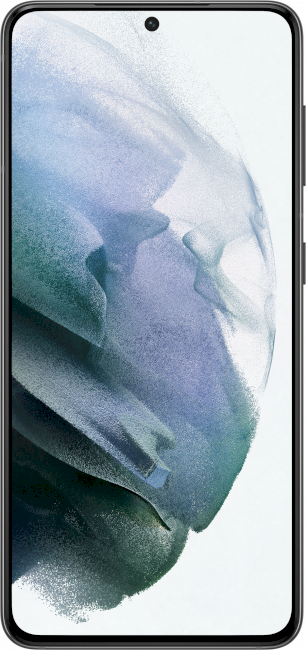
SamsungGalaxy S21
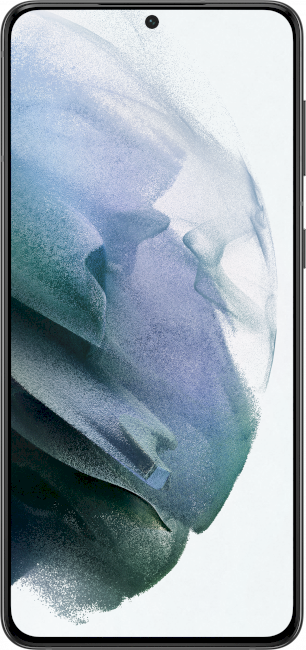
SamsungGalaxy S21+
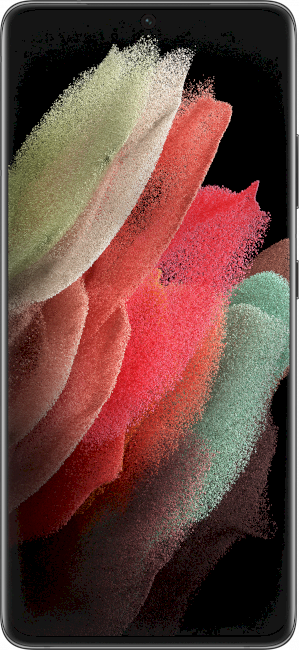
SamsungGalaxy S21 Ultra
Apple issues urgent iPhone software update to address critical spyware vulnerability
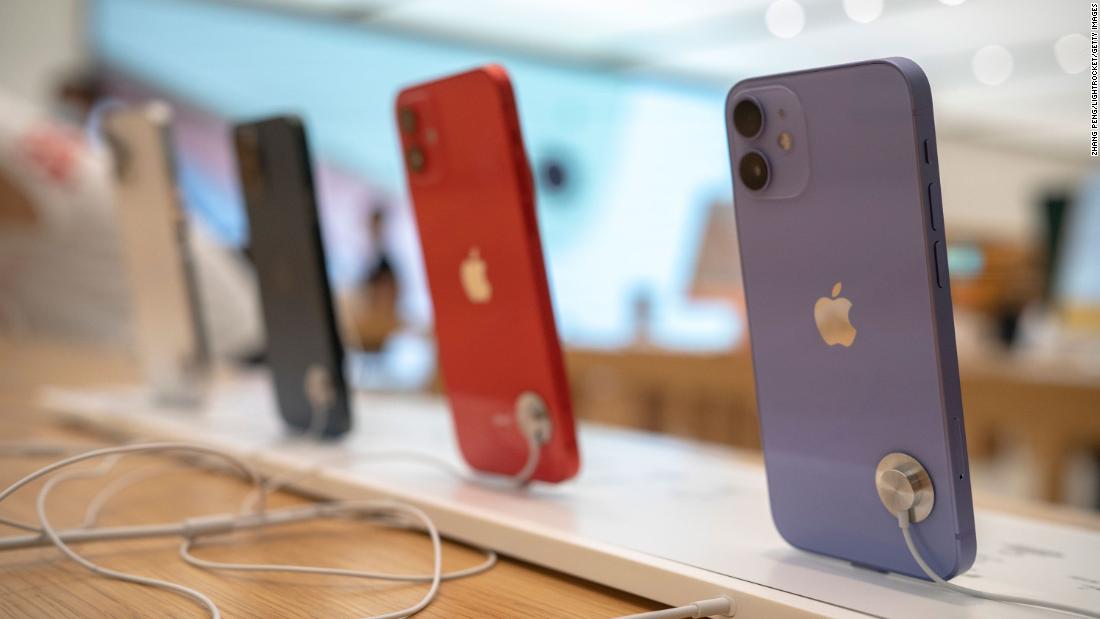
Researchers from the University of Toronto’s Citizen Lab said the software exploit has been in use since February and has been used to deploy Pegasus, the spyware made by Israeli firm NSO Group that has allegedly been used to surveil journalists and human rights advocates in multiple countries.
The urgent update that Apple (AAPL) released Monday plugs a hole in the iMessage software that allowed hackers to infiltrate a user’s phone without the user clicking on any links, according to Citizen Lab. The Saudi activist chose to remain anonymous, Citizen Lab said.
Apple credited the Citizen Lab researchers for finding the vulnerability.
“Attacks like the ones described are highly sophisticated, cost millions of dollars to develop, often have a short shelf life, and are used to target specific individuals,” Ivan Krstić, head of Apple Security Engineering and Architecture, said in a statement.
Krstić said Apple rapidly addressed the issue with a software fix and that the vulnerability is “not a threat to the overwhelming majority of our users.”
Still, security experts encouraged users to update their mobile devices for protection.
In a statement, NSO Group did not address the allegations, only saying, “NSO Group will continue to provide intelligence and law enforcement agencies around the world with life saving technologies to fight terror and crime.”
The firm has previously said its software is only sold to vetted customers for counterterrorism and law enforcement purposes.
Researchers, however, say they have found multiple cases in which the spyware was deployed on dissidents or journalists. In 2019, Citizen Lab analysts alleged that Pegasus was used on the mobile phone of the wife of a slain Mexican journalist.
In a lawsuit filed in 2019, Facebook accused NSO Group of being complicit in a hack of 1,400 mobile devices using WhatsApp. (NSO Group disputed the allegations at the time.)
The proliferation of easy-to-use mobile hacking tools has given governments around the world a new and stealthy means of targeting adversaries. Sophisticated spyware made by NSO Group and other vendors has been reportedly used from Uzbekistan to Morocco.
The surge in spyware prompted a United Nations panel of human rights experts in August to call for a moratorium on the sale of such surveillance tools. The UN panel said the ban should remain in place until governments have “put in place robust regulations that guarantee its use in compliance with international human rights standards.”
Magic: The Gathering’s most popular Commander, Golos, has been banned

One of Magic: The Gathering’s most popular cards — Golos, Tireless Pilgrim — has been banned from play in the widely played Commander format, according to an update from the Commander Rules Committee, an independent group that both created the format and oversees the official rules for play.
Rules Committee founding member Sheldon Menery announced the Golos ban in an update posted Monday. Menery acknowledged that Golos is “both popular to play with and unpopular to play against,” and that the card’s “presence crushes the kind of diversity in commander choice which we want to promote.” In the same announcement, the rules committee unbanned another Commander, Worldfire. The committee’s banned list is here.

Image: Wizards of the Coast
“We understand that many players love Golos, so we don’t take this action lightly,” Menery said. “In the end, the health of the format is our primary concern and we find Golos unhealthy. While Kenrith, the Returned King is a similarly flexible and popular commander for good stuff five color decks, we see it as a clear step down from Golos.”
Menery added that the committee doesn’t expect Magic: The Gathering publisher Wizards of the Coast to print cards similarly powerful to Golos, Tireless Pilgrim in the near future, “so a surgical strike now makes sense.”
Golos, Tireless Pilgrim was introduced in Magic’s Core Set 2020, released last year. It allows players to search their library for a land card and place it into play tapped. Alternately, for the cost of two plus one of each mana color, players can exile three cards from the top of their library and cast them — without paying their mana cost. It’s a powerful move that’s hard to make in most formats but made easier and more desirable in Commander format.
Commander format is quite a bit different from vanilla Magic: The Gathering. The multiplayer mode of play supports two to six players, sometimes more. Each player gets 40 life points, and any player can attack any other player on their turn. Decks consist of 100 cards, and each of these cards — save for lands — must be unique. What sets the format apart is that one of those 100 cards must be a Legendary Creature, a type of creature first introduced to the game in 1994. That Legendary Creature is designated as the leader of your army, your deck’s eponymous Commander. The player with the last Commander standing wins.
Many Magic players see creating a Commander deck as the ultimate expression of a player’s skill, and of their ability to use their personal collection of cards to its fullest. The Commander format embodies the game’s reputation for competition, but also for storytelling. It’s the only format maintained by an outside entity, meaning an entity not controlled by publisher Wizards of the Coast.
Instagram is testing ‘Favorites’ feature to help you control your feed
You’re on Instagram looking for your best friend’s daily dog update, but you have to scroll endlessly through a sea of posts you care little about, and probably forget what you’re looking for in the first place. After a few extra annoyed scrolls, you close the app in frustration.
It seems Instagram is well aware of your plight, because it is quietly testing out a solution for your messy feed called “Favorites.”
According to Alessandro Paluzzi, a mobile developer who first posted about the new feature on Twitter, Favorites lets you categorize your most important Instagram accounts (friends and creators) as your priorities, so that their posts will land “higher” in your feed.
If this feature sounds familiar, it’s because Instagram was testing a different Favorites feature back in 2017, which you let you limit the exact audience for each post. For example, you could share your wedding photo with just your designated favorites, rather than with your entire following.
The 2021 iteration of Favorites, however, is about giving you more control over your feed — by telling Instagram which accounts are most important to you. After all, you may follow a bunch of different brands and creators on your account, but you don’t necessarily prioritize their content on the same level as your closest friends and families.
Currently, Instagram ranks the order of your feed by the most recent and shared posts from the people you follow, plus other “signals” like how likely you’ll engage with a post, according to the company’s June 2021 blog post about its algorithm. While you may “like” many posts you see, those may not be the content you’re actually looking for, but might be sending Instagram all the wrong signals on what you actually want to see in your feed.
It’s not clear whether this Favorites feature will become an official feature at all or if it will change before it’s rolled out more broadly. For now, Instagram says it “is an internal prototype that’s still in development, and not testing externally.” Perhaps in the future, you just might see this feature in your account menu, just below “Close Friends” — a feature that lets you control who you share your Stories.
Update, September 13th, 10:42AM ET: Article updated with comment from Instagram.
A Discord music bot with 560 million users is being taken down

Google is forcing Discord music bots offline, issuing a cease and desist notice to the makers of a second high-profile program in less than three weeks.
According to The Verge, YouTube has sent a notice to the owners of Rythm, which allows Discord users to play the audio from YouTube videos within voice channels. The programmers were given seven days to comply, and as a result, the program will shut down on September 15.
Speaking to The Verge, Rythm’s creator says that their team “knew this was due to happen eventually,” due in no small part to the recent shuttering of Groovy, another popular bot that worked in a similar way to Rythm. Following its own cease and desist notice last month, Groovy’s service came to an end on August 30.
At the time of writing, Rythm is installed on more than 20 million Discord servers, granting access to more than 560 million users. Groovy was slightly smaller, installed over 16 million servers, but Rythm’s creator says they expect YouTube to chase down all of the music bots available on the platform.
Google confirmed that Groovy violated YouTube’s terms of service by modifying the service and using it for commercial purposes, and while there’s been no confirmation as yet, it’s likely Rythm was targeted for the same reasons. It’s also likely that Google wasn’t thrilled by the bots’ ability to bypass advertising, granting users access to audio that would otherwise be monetized.
PlayStation’s Discord partnership is set to start early next year.